Elija una máquina de moldeo por extrusión-soplado totalmente eléctrica para una producción limpia, movimientos repetibles, bajo consumo de energía en reposo y un envasado preciso de tamaño pequeño a mediano. Los sistemas hidráulicos o híbridos suelen preferirse cuando la alta fuerza de cierre, el gran movimiento del molde, el funcionamiento con cabezal acumulador o la producción de productos industriales pesados hacen que la fuerza robusta y el menor coste inicial sean la prioridad. Compare todas las opciones con la misma botella, molde, cavidades, resina y ciclo, no solo con las especificaciones de potencia del catálogo.
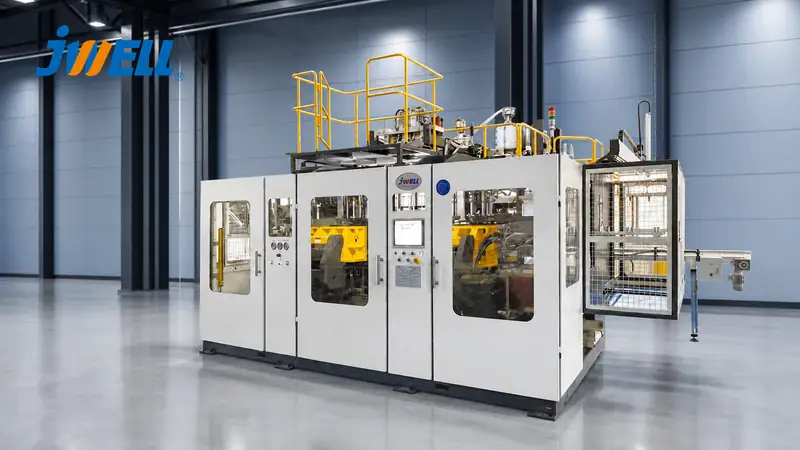
Las etiquetas de las máquinas pueden ocultar diferencias importantes. La extrusora puede ser de accionamiento eléctrico incluso cuando la abrazadera y el carro son hidráulicos, mientras que una máquina híbrida puede usar servomotores en ejes específicos y una bomba servoaccionada en otros. Solicite a los proveedores que identifiquen el sistema de accionamiento utilizado para la extrusión, la sujeción, el desplazamiento del carro, el pasador de soplado, el control de la separación de la matriz, el recorte y los sistemas auxiliares.
Cómo funcionan los tres sistemas de propulsión
Una máquina totalmente eléctrica utiliza servomotores y transmisiones mecánicas para sus movimientos principales. La posición, la velocidad y la aceleración se pueden programar directamente, y varios ejes pueden moverse simultáneamente si el diseño mecánico y de control lo permite.
Una máquina hidráulica convencional utiliza una bomba accionada por motor para presurizar el aceite. Las válvulas dirigen el flujo a los cilindros que accionan la abrazadera, el carro y otros ejes. Un sistema de velocidad o desplazamiento fijo puede seguir consumiendo energía incluso cuando la demanda del ciclo es baja.
Una máquina servohidráulica o híbrida varía la velocidad de la bomba según la demanda o reemplaza ciertos movimientos hidráulicos con ejes eléctricos. Esto permite reducir las pérdidas por inactividad y mejorar el control, manteniendo una fuerza hidráulica compacta. Dado que los diseños híbridos varían, los compradores deben comparar la arquitectura real de los ejes en lugar de fijarse solo en el nombre.
Consumo de energía: Medida de producción aceptada
Los sistemas totalmente eléctricos evitan las pérdidas de presión y la necesidad de refrigeración por aceite de un circuito hidráulico principal. Sus servomotores generalmente solo consumen energía cinética cuando un eje está en funcionamiento. Sin embargo, el accionamiento de la extrusora y los calentadores del cilindro y del cabezal siguen consumiendo energía durante la plastificación, por lo que la ventaja varía según el tamaño de la pieza, la carga de la extrusora, la fuerza de sujeción, el tiempo de enfriamiento y la utilización.
No compare los kilovatios instalados. Registre el consumo energético durante un ciclo de producción estable, incluyendo la máquina, el enfriador, el compresor de aire, la manipulación de materiales, el comprobador de fugas y el recorte. EUROMAP distingue entre las mediciones relacionadas con la máquina y las relacionadas con el producto en sus recomendaciones oficiales de eficiencia energética para máquinas de moldeo por extrusión-soplado . Para tomar una decisión de compra, calcule:
energía específica = kWh totales consumidos ÷ kilogramos de producto aceptado
Calcule también los kWh por cada 1,000 envases aceptados. Incluya los rechazos: un ciclo rápido pero inestable puede parecer eficiente en el contador de la máquina, pero a la vez desperdiciar resina y capacidad de procesamiento posterior.
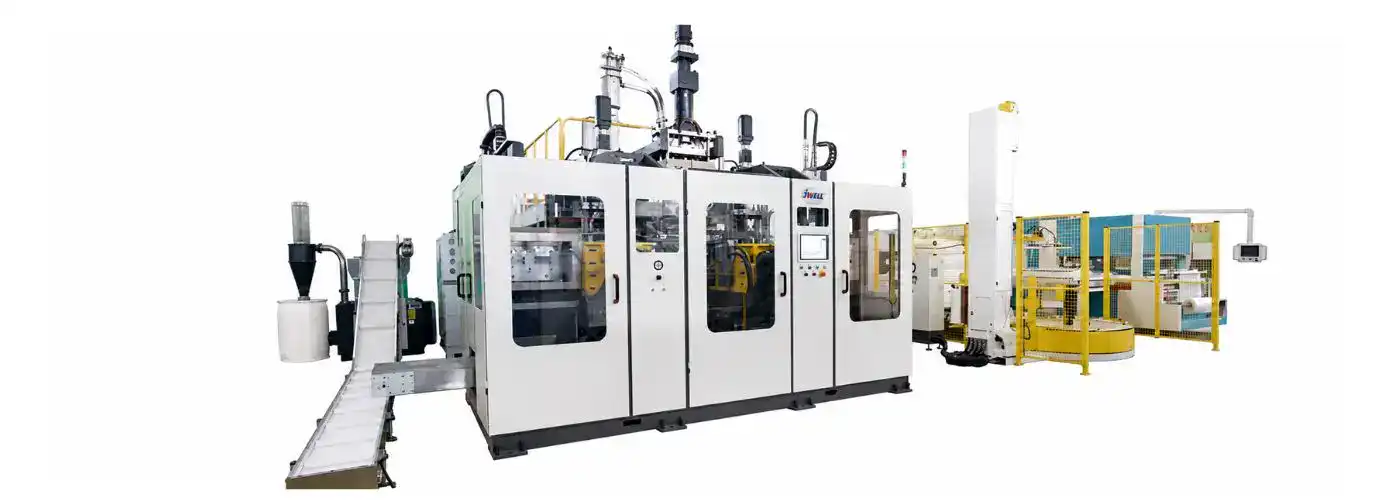
La máquina de moldeo por soplado totalmente eléctrica JWZ-EBM de JWELL indica un ahorro energético en comparación con los equipos hidráulicos tradicionales. Cualquier porcentaje publicado debe considerarse una afirmación específica del modelo y verificarse con su producto.
Ejemplo sencillo de recuperación de la inversión
Supongamos que la opción eléctrica cuesta 60,000 USD más y consume 20 kW menos durante 8,000 horas de producción anuales. A 0.12 USD/kWh:
20 kW × 8,000 h × 0.12 USD/kWh = 19,200 USD ahorrados al año.
El ahorro energético por sí solo se amortiza en aproximadamente 3.1 años. Considere las diferencias verificadas en refrigeración, aceite, mantenimiento, desperdicios y producción antes de tomar una decisión. Este ejemplo muestra el método de cálculo; no representa un ahorro garantizado.
Precisión y repetibilidad
Los ejes accionados por servomotores permiten un control directo de la posición, la velocidad y la aceleración, facilitando el cierre repetible del molde, la transferencia del carro, el posicionamiento del pasador de soplado y los movimientos sincronizados. Las recetas pueden almacenar perfiles de movimiento numéricos para agilizar los cambios de producto.
Los equipos hidráulicos también pueden ser precisos cuando se controlan la temperatura, la presión, la filtración y el estado de las válvulas del aceite. Los cambios en la viscosidad del aceite durante el calentamiento y el desgaste de los componentes pueden afectar la respuesta, mientras que el control servohidráulico de circuito cerrado reduce esta variación.
La precisión del accionamiento por sí sola no garantiza una botella uniforme. La temperatura de fusión, la velocidad de extrusión, el equilibrio del cabezal de extrusión, la programación de la preforma, la refrigeración del molde y la estabilidad del aire comprimido siguen influyendo en el peso y el espesor de la pared de la pieza. Se requieren datos sobre la capacidad de la pieza terminada, no solo las especificaciones de la posición del servomotor.
Fuerza, velocidad y tamaño del producto
Los cilindros hidráulicos proporcionan una gran fuerza en un mecanismo compacto y cuentan con una larga trayectoria en grandes máquinas de moldeo por extrusión-soplado. Los sistemas hidráulicos e híbridos siguen siendo prácticos para moldes pesados, recorridos de platina largos, tambores industriales, conductos para automóviles y numerosas aplicaciones con cabezales acumuladores.
Los equipos totalmente eléctricos son especialmente eficaces para botellas y envases de uso intensivo dentro de su área de sujeción y moldeo. Existen modelos eléctricos de mayor tamaño, pero los compradores deben verificar el par máximo y continuo, la vida útil de la transmisión, la distribución de la fuerza de sujeción y los procedimientos de recuperación en caso de emergencia.
Nunca seleccione una máquina basándose únicamente en la fuerza de cierre. Verifique las dimensiones de la platina, la holgura de la barra de sujeción (cuando corresponda), el espesor del molde, la carrera de apertura, el espacio libre, el recorrido del carro, la fuerza del pasador de soplado y el peso máximo del molde. Una fuerza de cierre suficiente no garantiza que el molde o el sistema de extracción sean compatibles.
Limpieza, ruido y calor
Las máquinas totalmente eléctricas eliminan el circuito principal de aceite hidráulico, suprimiendo una fuente de fugas y reduciendo el ruido de la bomba, la manipulación del aceite y el calor disipado. Estas ventajas son valiosas para la industria alimentaria, farmacéutica, cosmética y para procesos de fabricación limpios.
Los equipos hidráulicos también pueden funcionar de forma limpia con una gestión rigurosa de las mangueras, la sustitución preventiva de los sellos, la contención de goteos, el uso de fluidos adecuados, la filtración y los procedimientos de respuesta ante fugas. La limpieza debe abarcar toda la célula: el aire comprimido, los lubricantes, las cintas transportadoras, las prácticas de moldeo y la manipulación posterior pueden contaminar los productos en cualquier máquina.
Mantenimiento y habilidades requeridas
El mantenimiento hidráulico incluye el análisis del aceite, filtros, mangueras, juntas, válvulas y enfriadores. El aceite contaminado o sobrecalentado acelera el desgaste. La resolución de problemas a menudo requiere mediciones de presión y caudal.
Los equipos eléctricos simplifican gran parte del trabajo, pero añaden servomotores, variadores, codificadores, cables, reductores, husillos de bolas u otras transmisiones. Requieren armarios eléctricos limpios, lubricación adecuada y técnicos capacitados en el diagnóstico de variadores. El mantenimiento rutinario puede ser más económico, pero una transmisión de precisión dañada puede resultar costosa.
Compare las piezas de repuesto críticas, la disponibilidad local, el diagnóstico remoto y la respuesta del proveedor. Incluya el aceite, los filtros, el sistema de refrigeración, los sistemas de respaldo del servomotor, los módulos de transmisión y el mantenimiento programado de la transmisión en el cálculo del ciclo de vida.
Costo de capital y costo total de propiedad
Una máquina totalmente eléctrica suele tener un precio de compra más elevado. Los equipos servohidráulicos pueden ofrecer gran parte del ahorro energético a un menor coste, mientras que los sistemas hidráulicos convencionales pueden proporcionar una gran fuerza al menor coste inicial. Modelo de cinco a diez años de:
- Piezas y kilogramos aceptados por año
- Energía por kilogramo aceptado
- Demanda de refrigeración y aire comprimido
- Mantenimiento preventivo y repuestos críticos
- Aceite hidráulico y eliminación
- Rechazos y pérdidas por cambio de formato
- Tiempo de inactividad planificado y respuesta del servicio
- Financiación y valor residual
Los equipos totalmente eléctricos resultan rentables cuando la electricidad es cara, los ciclos de funcionamiento son frecuentes, la limpieza es fundamental y la utilización es alta. Los equipos hidráulicos pueden seguir siendo económicos para piezas de gran tamaño, una menor utilización o plantas con amplia experiencia en sistemas hidráulicos.
¿Necesita una comparación específica para su proyecto? Envíe a JWELL el tiempo de ciclo, la producción aceptada, el consumo de energía, los datos del molde y las horas de funcionamiento anuales. Los mismos supuestos se pueden aplicar a las opciones eléctricas, servohidráulicas e hidráulicas convencionales.
¿Qué máquina de moldeo por extrusión-soplado se ajusta mejor?
| Requisito | Totalmente eléctrico | Servohidráulico/híbrido | Hidráulica convencional |
|---|---|---|---|
| Envases pequeños/medianos de alto ciclo | Ajuste fuerte | Ajuste fuerte | Adecuado |
| Producción limpia | No hay circuito principal de aceite | Se requieren controles de aceite | Máxima demanda de control de fugas |
| movimiento programable | Alta repetibilidad | Buen control de bucle cerrado | Más dependiente del aceite/válvulas |
| Piezas muy grandes y moldes pesados | Comprobar los límites del modelo | Ajuste fuerte | Fuerza establecida |
| demanda de energía en reposo | Generalmente el más bajo | Inferior a los sistemas de bomba fija | Generalmente más alto |
| Inversión inicial | A menudo el más alto | Gama media, depende del modelo. | A menudo el más bajo |
| Habilidades de mantenimiento | Servo y mecánico | Servo más sistema hidráulico | Sistema hidráulico |
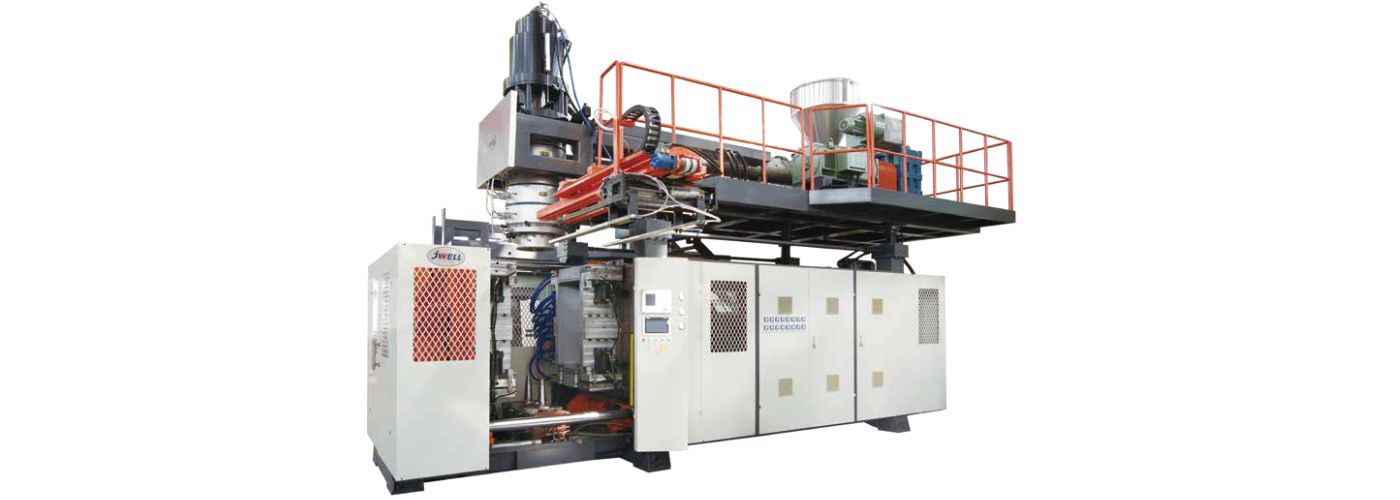
La gama de máquinas de moldeo por soplado JWELL abarca diferentes tamaños de envases y arquitecturas de accionamiento. Los productos de gran tamaño también pueden evaluarse con la máquina de moldeo por soplado de bidones JWZ-BM160/230.
Prueba de aceptación en fábrica
Ejecute el molde y la resina con la producción deseada. Tras la estabilización, registre el tiempo de ciclo aceptado, el peso de la pieza, la distribución del espesor de pared, las rebabas, los rechazos, la energía de la máquina y auxiliar, el consumo de aire, el ruido y el aumento de temperatura. Pruebe el arranque, el cambio de receta, la parada de emergencia y el reinicio. Para sistemas hidráulicos, verifique la temperatura del aceite, la estabilidad de la presión y las fugas; para ejes eléctricos, revise la carga del servo y las tendencias térmicas.
Preguntas frecuentes
¿Una máquina de moldeo por soplado totalmente eléctrica siempre es más eficiente energéticamente?
Generalmente consume menos energía de movimiento y refrigeración de aceite que los sistemas hidráulicos convencionales, pero el resultado depende de la carga de plastificación, el ciclo, los auxiliares y la utilización. Verifique el consumo de kWh por kilogramo aceptado con el mismo producto.
¿En qué se diferencia la servohidráulica de los equipos hidráulicos convencionales?
Una máquina servohidráulica varía la velocidad de la bomba para ajustarla a la demanda, reduciendo las pérdidas por inactividad y mejorando la respuesta. Una bomba convencional de velocidad fija puede hacer circular aceite incluso cuando un eje requiere poco caudal.
¿Qué máquina es mejor para bidones grandes de HDPE?
Los equipos hidráulicos o híbridos siguen siendo habituales para moldes grandes, fuerzas elevadas y cabezales acumuladores. Seleccione según el tamaño de inyección, el área de contacto de la platina, el peso del molde, el ciclo y la gama de modelos eléctricos disponibles.
¿Puede funcionar una máquina totalmente eléctrica en un área de producción limpia?
La eliminación del circuito hidráulico principal reduce una fuente de contaminación, pero la producción limpia también depende del aire comprimido, la lubricación, la manipulación de materiales, las prácticas de moldeo y los equipos posteriores.
Elegir con datos de producción
La mejor máquina de moldeo por extrusión-soplado produce la pieza deseada con el menor coste de ciclo de vida fiable. Envíe a JWELL el dibujo del envase, la resina, el peso de la pieza, el acabado del cuello, el molde, las cavidades, el ciclo objetivo, las horas anuales, los servicios públicos y los requisitos de limpieza. Póngase en contacto con el equipo de JWELL para comparar configuraciones totalmente eléctricas, servohidráulicas e hidráulicas bajo un mismo protocolo de aceptación.