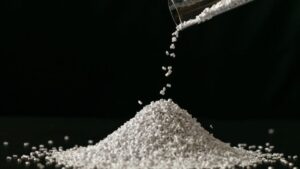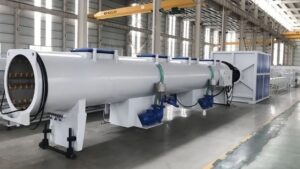

Plastic pelletizing transforms scrap or raw resin into uniform pellets, crucial for manufacturing films, containers, and molded parts. This process converts melted plastic into consistent granules, simplifying handling, improving product quality, and enabling efficient recycling.
This post will explain what pelletizing involves, its importance in manufacturing and recycling, key technologies, benefits, limitations, and future directions, helping you optimize production or launch sustainable plastic projects.
What Is Plastic Pelletizing?
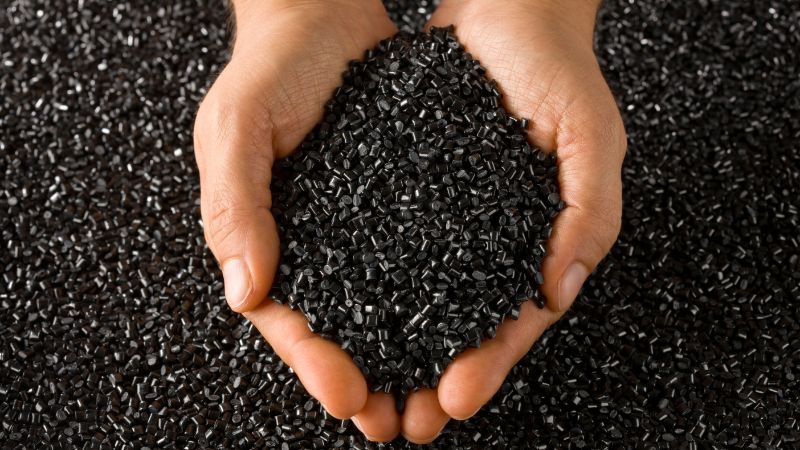
Plastic pelletizing turns plastic materials—either new resin or waste—into small, uniform pellets for reuse in manufacturing. The process usually melts, filters, shapes, cools, and cuts the material into granules that feed extrusion, injection molding, and other production lines.
You can pelletize shredded or melted plastic to make handling, storage, and dosing more accurate. Pellets reduce dust and variation compared with flakes or powder, making downstream processing more reliable.
Key Steps & Impact:
- Size Reduction (Crushing): Prepares material for efficient melting by creating uniform flakes or fragments.
- Melting & Mixing: Determines material strength and homogeneity.
- Filtration: Removes contaminants.
- Cutting: Defines pellet shape and size.
Pelletizers, such as strand and underwater types, vary by material and output. The optimal system depends on the plastic type, contamination level, desired pellet shape, and production scale.
Why Is Pelletizing Crucial In The Plastics Industry?
Pelletizing creates a consistent, uniform feedstock that flows predictably in equipment, minimizing dosing errors and preventing blockages.
Core Advantages:
- Cost Savings: Converts scrap into valuable feedstock.
- Logistical Efficiency: Granules pack and ship more efficiently than flakes.
- Quality Control: Ensures predictable color, additives, and melt behavior.
- Enables Circularity: Transforms waste into reliable feedstock, reducing virgin polymer demand.
Key Processes And Technologies
You’ll find several main pelletizing methods that affect pellet quality, output, and suitability for different plastics. Each method has trade-offs in shear, drying needs, and maintenance that influence your production choices.
Extrusion Pelletizing: Single-Screw Vs. Twin-Screw
- Single-Screw Extruders: Ideal for high-volume processing of virgin polymers like PE and PP. They offer simplicity, lower cost, and steady melt pressure, best for materials with predictable melt flow.
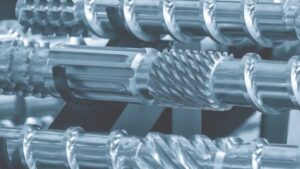
- Twin-Screw Extruders: Provide superior mixing, venting, and flexibility. Essential for recycled streams, filled compounds, or when removing volatiles. Modular screws allow precise adjustment of mixing intensity and residence time.
Choose single-screw for cost-effective, high-volume runs of uniform resin. Opt for twin-screw when processing variable scrap or needing intensive mixing and temperature control.
Hot Face Cutting (Die-Face) Pelletizing
Die-face pelletizing is a primary method where molten polymer is cut into pellets immediately upon exiting the die plate. This process yields uniform, spherical, or cylindrical pellets with excellent surface finish and minimal dust. The cutting environment defines the three main systems:
- Dry Face (Air Cooling): Uses an air stream for cooling. Ideal for heat-sensitive, high-viscosity materials like PVC and certain engineering plastics, as it avoids water contact.
- Water Ring: Cuts at the die face, then uses a water ring for cooling. Offers a balance of cooling efficiency and simpler drying than underwater systems.
- Underwater: Cuts directly in a water chamber. Provides excellent cooling, high capacity, and uniform pellets. It is the most versatile and high-output method, suitable for nearly all polymer types, including polyolefins and polyesters.
All methods require precise knife maintenance and controlled cooling to ensure consistent pellet shape and prevent agglomeration. The choice depends on material sensitivity, desired throughput, and drying capabilities.
Key Advantages:
- High production capacity and excellent pellet shape uniformity.
- Integrated, compact system design.
- Very low fine and dust generation.
Operational Considerations:
- Higher initial capital investment.
- Requires precise maintenance of knife alignment and die plates.
- Critical control of cooling medium (air or water) temperature and flow is essential to prevent pellet agglomeration and ensure quality.
Cold Cut Pelletizing Methods
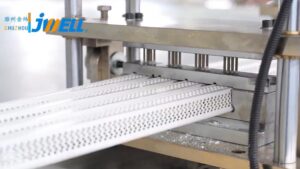
This method cuts cooled, solidified strands using mechanical cutters, minimizing heat exposure.
Best for: Heat-sensitive or brittle materials (e.g., certain specialty compounds, blends).
Advantages: Produces very consistent lengths with low fines and minimal thermal degradation.
Key Considerations: Requires precise control of strand brittleness, sharp cutters, and adequate cooling. Ideal when drying capacity is limited or surface melt must be avoided.
Advantages Of Plastic Pelletizing
Pelletizing turns irregular plastic flakes, fines, and molten strands into uniform granules that make handling, processing, and inventory control easier. You get predictable feed rates, easier transport, and a product form widely accepted by molding and extrusion equipment.
Enhanced Handling And Storage
Pellets flow smoothly in hoppers and conveyors, reducing blockages and downtime. Their form saves storage space, allows accurate measurement, and—when properly dried—reduces moisture uptake and clumping.
Improved Melt Uniformity In Processing
Consistent pellet size and shape ensure steady residence time in extruders and barrels, leading to stable melting. This reduces thickness variation, short shots, and the risk of polymer degradation from overheating.
Consistent Product Quality
Pellets minimize variability in color, density, and additive dispersion compared to irregular regrind. This ensures tighter tolerances, reliable certification of recycled content, and better surface finish in final products.
Reduced Waste And Cost Efficiency
The process converts trim, purge, and reject parts into valuable feedstock, cutting landfill and material costs. Operational savings come from lower energy use, reduced rejects, and less manual handling. Pellets also command higher value as tradable secondary raw material.
Applications Of Plastic Pellets
Plastic pellets are the starting point for many products, from packaging to engineering components. They vary by origin and specification, so you can select pellets that fit performance, cost, and sustainability needs.
Virgin Plastic Production: Produced directly from raw polymers, they offer predictable properties for demanding applications like food packaging, medical devices, and precision parts. Common types include PE, PP, PET, ABS, and PC, each tailored for specific processing methods (injection molding, extrusion, etc.).
Post-Consumer Recycled (PCR) Pellets: Sourced from household and commercial waste, PCR pellets are used in bottles, containers, decking, and fiber to reduce carbon footprint and meet recycled-content mandates. Quality varies; successful use requires checking certifications, contamination levels, and potentially adjusting processing parameters.
Post-Industrial Recycled (PIR) Pellets: Derived from manufacturing scrap, PIR typically offers higher and more uniform quality than PCR. It’s cost-effective for automotive parts, pallets, crates, and non-critical goods, though testing for properties and prior additive history is advised.
Specialized Pellets (Compounding & Masterbatch): Engineered for specific functions:
- Compounding Pellets blend polymers with fillers, fibers, or additives for automotive, electrical, or medical applications.
- Masterbatch Pellets carry high concentrations of pigments or additives, simplifying color matching and dispersion in large production runs. Always verify compatibility and processing guidelines before full-scale use.
Challenges And Future Trends
You’ll face contamination, energy, technology, and circular-economy questions that shape decisions on feedstock selection, equipment upgrades, and process design. Each area requires targeted actions—material sorting, thermal and mechanical efficiency gains, new pelletizing methods, and systems thinking to keep value in the loop.
Addressing Contamination Issues In Recycling
Robust feedstock sorting (via NIR, sink-float separation) and pre-washing are essential. Melt filtration and degassing remove gels and volatiles, while compatibilizers can aid in blending mixed streams. Implementing batch tracing ensures quality transparency.
Energy Efficiency In Pelletizing Operations
Key strategies include upgrading to variable-frequency drives, optimizing heater zones, and recovering waste heat. Monitoring energy per kilogram and choosing efficient equipment designs (e.g., twin-screw for mixed streams) reduce operational costs.
Innovations In Pelletizing Technology
Hybrid modular systems streamline preprocessing. Intelligent controls with AI-driven optimization maintain consistency and reduce scrap. Advances in filtration and solid-state polycondensation (SSP) enable higher-value recycled output, particularly for PET.
The Role Of Pelletizing In A Circular Economy
Pelletizing is the crucial link between waste and new products. Its success depends on standardized quality metrics (melt flow, viscosity), cross-supply-chain collaboration to improve feedstock design and availability, and supportive policies that drive demand for recycled pellets.
Conclusion
Plastic pelletizing is a powerful process that converts scrap and waste into consistent, high-value feedstock. It enhances material handling, boosts production efficiency, and is indispensable for circular manufacturing.
By reducing waste, lowering raw material costs, and helping meet sustainability targets, pelletizing offers both economic and environmental benefits. Success requires careful selection of technology, rigorous attention to feedstock sorting and preparation, and a view of the process as a strategic investment in a more sustainable and profitable operation.
Boost Your Recycling Quality With JWELL
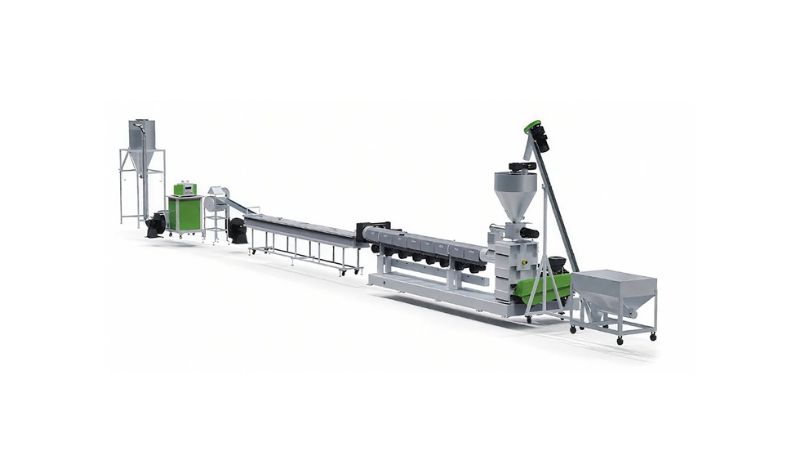
Ready to upgrade your plastic recycling game with Jwell’s high-performance pelletizing machines? Choose from twin-screw, PET single-screw, WPC, and standard single-screw models—with output ranging 18-1800KG/H and installed power 22-355KW, we’ve got solutions for every scale. Whether processing PET, recycled plastics, or WPC, our machines deliver reliability and efficiency.
Contact us now for a customized quote, expert guidance, and to take your recycling operations to the next level.