Only about 9% of all plastic waste produced globally gets recycled, while nearly 79% ends up in landfills or scattered in the environment. This means that the vast majority of plastic items will sit in a landfill for hundreds of years.
This knowledge helps you participate more effectively in recycling programs and reduce the amount of plastic waste heading to landfills.
Essential Plastic Recycling Facts
The world produces over 435 million tons of plastic each year, but only about 9% gets recycled globally.
Global Plastic Recycling Rate Statistics
The global plastic recycling rate sits at around 9%. This means that out of every 100 plastic items, only 9 get recycled. The rest end up in landfills or incinerators.
Less than 10% of all plastic ever made has been recycled. This low number shows we need better recycling systems and infrastructure. By 2040, plastic consumption could reach 764 million tons annually.
Plastic Waste Versus Recycling
About half of all plastic production goes to single-use items like cups and food containers. These products often use multi-layered materials hard to recycle.
When plastic does get recycled, it typically gets downcycled into lower-quality products. Most plastic waste ends up in landfills instead of being turned into new products.
Most-Commonly Recycled Plastics
PET (Polyethylene Terephthalate) and HDPE (High-Density Polyethylene) are the most commonly recycled plastics. You’ll find PET in water bottles and food containers. HDPE appears in milk jugs and detergent bottles.
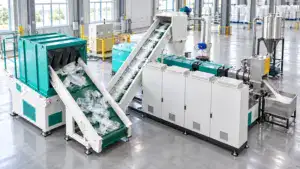
These plastics recycle well through mechanical recycling, where they’re cleaned, cut, melted, and reformed into new products.
Types of Plastics and What Gets Recycled
Not all plastics are created equal when it comes to recycling. The resin identification code on your plastic items tells you what type of plastic it is, but that doesn’t guarantee your local program will accept it.
Understanding Resin Identification Codes
You’ll find recycling symbols with numbers 1-7 on most plastic items. These numbers identify the type of plastic resin used to make the product.
PET (#1) and HDPE (#2) are the most widely recycled plastics. They make up about 70% of all recycled plastics. You’ll find PET in beverage bottles and food containers. HDPE shows up in milk jugs and detergent bottles.
LDPE (#4) and PP (#5) are less commonly accepted. PVC (#3), PS (#6), and mixed plastics (#7) face the biggest recycling challenges due to contamination issues and limited processing facilities.
Beverage Bottles and Containers
Water bottles and soda containers are usually made from PET plastic. These beverage bottles are accepted by nearly all curbside recycling programs.
Rigid plastic containers like yogurt cups, butter tubs, and takeout containers vary by material. Check with your local recycling program before tossing them in your bin.
Plastic Bags, Film, and Packaging Waste
Plastic bags and plastic film are typically made from low-density polyethylene. Most curbside programs don’t accept these items because they jam sorting equipment.
Many grocery stores offer drop-off bins specifically for plastic bags and packaging waste. You can recycle grocery bags, bread bags, and produce bags at these locations.
Special Cases: Polystyrene Foam and Clamshells
Polystyrene foam (styrofoam) and egg cartons made from foam are rarely recyclable. The material is 90% air and breaks apart easily into microplastics.
Most facilities won’t process polystyrene foam due to low market demand and processing difficulties. Check if your area has special drop-off locations for foam products.
Barriers and Solutions in Plastic Recycling
Plastic recycling faces obstacles from contamination and sorting issues to limited infrastructure, but new technologies and better programs are helping improve recovery rates.
Challenges to Increasing Recycling Rates
Different plastic types require separate processing, which makes recycling complex. When you mix plastics or include food residue, the entire batch can become unrecyclable.
Only about half of collected plastic actually gets recycled. The rest goes to landfills or incinerators. Materials recovery facilities struggle with sorting, because plastics look similar but have different chemical structures.
Collection and sorting facilities are limited in many areas. This shortage creates a major barrier to prevent plastic waste from being processed properly. Even when you place items in your recycling bin, contamination during collection often makes the material impossible to recover.
Impact of Single-Use Plastics
Single-use plastics create significant problems for waste management systems. These items have low weight compared to their volume, which makes collection expensive and inefficient.
You encounter single-use plastics daily in packaging, bags, and food containers. Most of these items end up in municipal solid waste rather than getting recycled. Their design often ignores recyclability, using mixed materials that can’t be separated at processing facilities.
Chemical and Advanced Recycling
Chemical recycling breaks down plastics to their molecular level, unlike traditional mechanical recycling. This method can handle contaminated or mixed plastics that normal facilities reject.
The Association of Plastic Recyclers supports these technologies as part of advancing sustainable materials management. Chemical recycling shows potential for types like POM, ABS, and PC that are difficult to process mechanically.
These advanced methods require significant investment but could help you recycle plastics without other option.
Curbside and Municipal Programs
Your curbside recycling program determines which plastics can be recycled at home. Most programs accept only certain types, typically bottles and containers marked #1 and #2.
Municipal solid waste systems vary widely by location. Some communities offer comprehensive collection while others provide limited options. Energy recovery from non-recyclable plastics offers an alternative to landfills, though recycling remains the better choice.
Improving these programs requires better funding and infrastructure investment.
Environmental and Societal Impacts
Plastic recycling affects our planet and communities in ways that go beyond waste management. From ocean pollution to tiny particles in our water, these impacts shape the world around you.
Plastic Pollution and Marine Litter
About 19-23 million metric tons of plastic waste entered aquatic ecosystems in 2016. This number could reach 53 million tons each year by 2030.
Ocean plastic pollution harms marine life through entanglement and ingestion. Plastic can take 100 to 1,000 years to decompose in the environment.
Microplastics in the Environment
Recycling facilities release microplastics during processing. Studies show that 13% of plastics become microplastics in water or air at recycling plants.
PET recycling facilities release 23-1,836 mg/L of microplastics in wastewater. These tiny particles are too small for current collection methods to capture.
Sustainable Alternatives and Circular Economy
A circular economy keeps materials in use longer. Currently, only 9% of plastic gets recycled globally. Production could triple by 2060.
Role of Reusable Products
Reusable products reduce single-use plastic waste, which makes up over 50% of consumer plastics. Switching to reusables helps lower your environmental footprint.
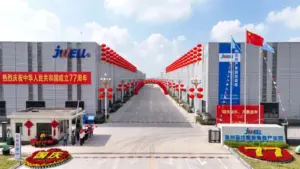
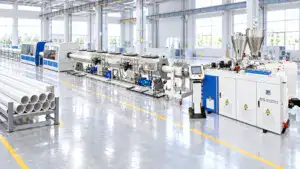
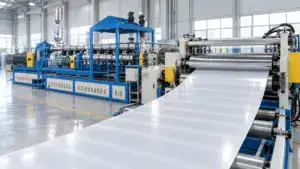
Boost Your Plastic Recycling Efficiency with Jwell
Frequently Asked Questions
Can I recycle all plastics with resin codes 1-7?
Why can’t I put plastic bags in my curbside recycling bin?
Is polystyrene foam (styrofoam) recyclable?
Does rinsing plastic containers matter for recycling?
What’s the difference between mechanical and chemical recycling?