PVC and CPVC pipe have become the industry standard in modern plumbing and industrial piping systems.
Introduction: PVC and CPVC Overview
What Is PVC?
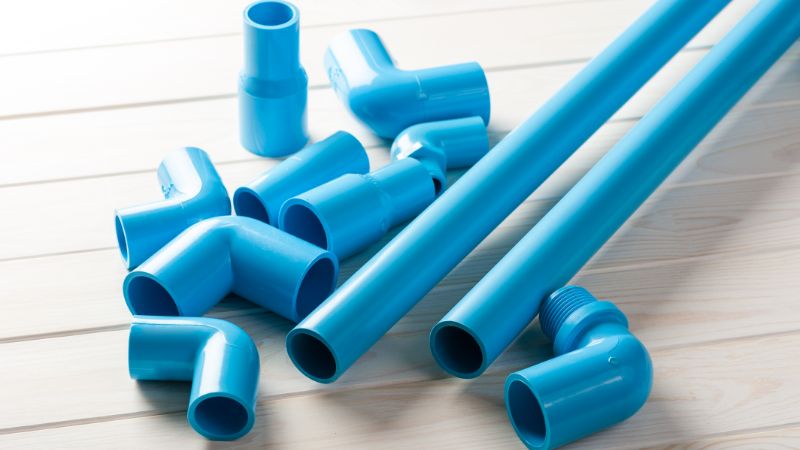
PVC, or polyvinyl chloride, represents one of the most widely used thermoplastic materials in modern plumbing and construction.
A PVC pipe is manufactured through an extrusion process that creates durable, lightweight conduits. The versatility of PVC pipe stems from several key advantages:
- Affordable and cost-effective
- Lightweight and easy to handle
- Excellent corrosion resistance
- Simple installation process
- Proven long-term performance
When professionals plumb cold water lines and drainage, PVC pipe consistently delivers outstanding value among the common types of pipe used in residential work.
What Is CPVC?
CPVC, or chlorinated polyvinyl chloride, is an engineered enhancement of traditional PVC through a specialized chlorination process.
This advanced material undergoes chemical treatment that increases its molecular stability. The chlorine enhancement enables CPVC to excel in demanding environments:
- Superior heat resistance
- Enhanced chemical resistance
- Ideal for hot water applications
- Suitable for industrial processes
- Perfect for fire suppression systems
The added chlorine content increases resistance to thermal degradation and chemical attack, allowing it to withstand a much higher temperature range than standard PVC.
Similarities Between PVC and CPVC
Despite their differences, CPVC and PVC share fundamental strengths:
- Both are thermoplastic polymers
- Excellent corrosion resistance
- Lightweight construction
- Straightforward installation methods
- CPVC and PVC use solvent-welded connections
- Both provide 50+ year lifespans when properly installed
- Non-toxic when certified for potable water
- Widely available and recyclable
These shared traits make PVC and CPVC reliable choices for a broad range of pipe and fitting combinations in residential, commercial, and industrial projects.
Main Differences Between PVC and CPVC Pipe
Chemical Composition
Understanding the chemistry helps explain performance differences. Polyvinyl chloride consists of carbon, hydrogen, and chlorine atoms bonded in a polymer chain. Chlorinated polyvinyl chloride undergoes an additional chlorination process that adds more chlorine atoms to the molecular structure, approximately 65–68% chlorine content compared to PVC’s 57%.
This extra chlorine increases molecular stability and heat resistance. The added atoms provide additional bonding sites, making the pipe material more rigid and capable of withstanding higher temperatures. This fundamental difference in chemistry drives all other performance variations between the two materials.
Temperature and Pressure Ratings
PVC Performance:
- Maximum temperature: 140°F (60°C)
- Typical pressure rating: 100-200 PSI
- Best for cold water applications
- Not suitable for hot water service
CPVC Performance:
- Maximum temperature: 200°F (93°C)
- Pressure ratings: 100-200 PSI (match or exceed PVC)
- Handles instant hot water demands
- Resists material softening and failure
The 60°F temperature advantage of CPVC makes it essential for modern hot water systems.
Applications and Use Cases
Best Uses for PVC:
- Drainage systems and vent lines
- Irrigation networks
- Cold water distribution
- Electrical conduit installations
- Non-pressurized applications
- Underground systems
Best Uses for CPVC:
- Hot water distribution lines
- Residential and commercial plumbing
- Industrial process piping
- Fire suppression systems
- Chemical handling applications
- High-temperature environments
When hot water plumbing requires reliable, code-compliant materials, CPVC pipe stands as the standard choice across North America.
Installation Differences
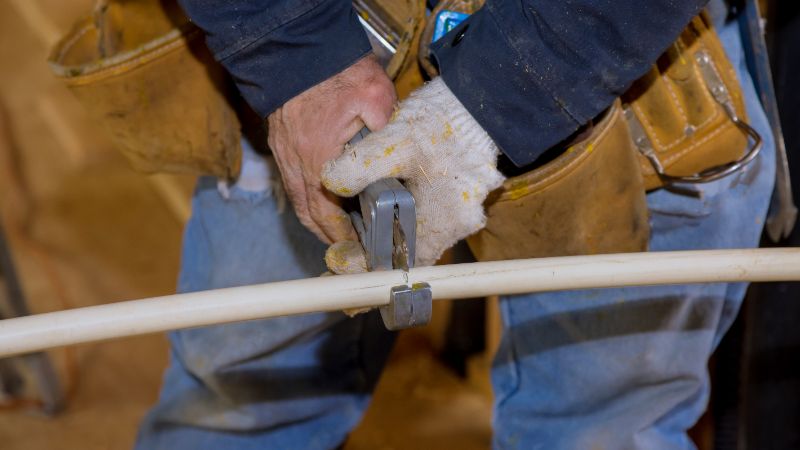
Both materials use solvent welding, but the specific products differ. Cement and primer formulations are specifically matched to each material’s chemical composition. Using incorrect product can result in weak joints or complete joint failure.
- PVC requires PVC-specific primer and adhesive
- CPVC requires CPVC-specific primer and CPVC solvent
- Joint preparation involves cleaning and priming the connection
- Cure time varies between materials (typically 2-24 hours)
- Thermal expansion must be considered for long runs, especially with CPVC
PVC and CPVC Comparison Table
| Feature | PVC | CPVC |
|---|---|---|
| Maximum Temperature | 140°F (60°C) | 200°F (93°C) |
| Typical Pressure Rating | 100-200 PSI | 100-200 PSI |
| Chemical Resistance | Good | Excellent |
| Primary Applications | Drainage, Irrigation, Cold Water | Hot Water, Industrial, Fire Suppression |
| Installation Method | Solvent Welding with PVC Products | Solvent Welding with CPVC Products |
| Relative Cost | Lower | Higher |
| Thermal Expansion | Moderate | Higher |
Selection Guide: Benefits, Limitations, and Cost Analysis
When to Choose PVC
Benefits
- Most cost-effective option
- Perfect for cold water systems
- Excellent for irrigation and drainage
- Wide availability and fittings selection
- Simple installation and joining
- Proven track record over decades
Limitations
- Temperature limit of 140°F restricts use
- Cannot be used for hot water applications
- Poor UV resistance requires burial or protection
- Limited chemical compatibility versus CPVC
- May become brittle in very cold conditions
When to Choose CPVC
Benefits
- Superior temperature tolerance (up to 200°F)
- Ideal for hot water systems and applications
- Excellent chemical resistance
- Perfect for industrial and commercial use
- Compatible with drinking water standards
- Fire suppression system approved
Limitations
- 15-30% higher material cost than PVC
- Smaller range of nominal pipe sizes
- Fewer fittings and accessory options available
- More specialized installation requirements
- Longer cure times in some conditions
Cost Analysis and Lifespan
While CPVC costs 20-30% more than standard PVC , total cost of ownership often favors CPVC in hot service conditions. A system built with PVC in hot water applications may experience accelerated degradation, potentially requiring replacement within 15-20 years. Conversely, a correctly designed CPVC installation can provide 50+ years of service under similar conditions.
When amortized over the building’s lifetime, the superior longevity of CPVC translates to lower per-year costs and fewer disruptive replacements. This is particularly true when comparing to older metal systems based on traditional copper tube standards.
Safety, Health, and Environmental Considerations
Both PVC and CPVC certified for potable water use meet NSF 61 standards, ensuring they don’t leach harmful substances into drinking water. Extensive research and decades of real-world use confirm that properly installed, certified plastic piping materials safely convey potable water without health risks. The chlorine in CPVC pipe serves a structural purpose in the polymer chain and does not introduce free chlorine into water supplies.
Environmental considerations include both materials’ recyclability. At end-of-life, both PVC and CPVC can enter recycling streams, reducing landfill burden. Their lightweight nature and long service life reduce transportation impacts and replacement frequency compared to alternatives like copper tube sizing systems. Manufacturing modern plastic pipe material involves lower energy requirements than traditional materials, contributing to reduced carbon footprints in many applications.
Solvent-welded joints eliminate the need for chemical solder or flux, reducing environmental contamination during installation. Proper cement handling and disposal according to local regulations ensures workplace and environmental safety during plumbing work.
Maximize Your PVC Production with Jwell
Elevate your manufacturing with Jwell, your partner in high-performance PVC extrusion. Leveraging elite R&D and precision engineering, we deliver high-tech, efficient production lines tailored to ensure your operational success. From superior output to unmatched durability, our machinery is designed to keep you ahead in a competitive market.
Ready to transform your production line? Contact us for more information.
Frequently Asked Questions
Can CPVC and PVC be used together?
CPVC and PVC can be connected in the same pipe system, but they should not be used interchangeably. The materials expand differently and have different temperature ratings. If you must connect CPVC pipe to PVC pipe, use approved transition fittings or a listed CPVC/PVC transition cement and confirm that local plumbing codes allow this approach.
Which material is more UV resistant, PVC or CPVC?
Both materials are affected by long-term UV exposure. PVC generally weathers slightly better in sunlight than CPVC, but neither should be left exposed without protection. For outdoor runs, it is standard practice to shield the pipe with a light-colored, UV-resistant coating or another physical barrier.
Can you paint or modify PVC/CPVC pipes?
Yes, you can paint both materials if you use the right products. Clean the surface and use a high‑quality water-based acrylic latex paint approved for plastic; avoid strong solvent-based paints that can damage the thermoplastic. Cutting and deburring are fine, but drilling or heavy notching can weaken the pipe and should be done only when allowed by the manufacturer or design.
What happens if I use PVC glue on CPVC pipe?
Using standard PVC cement on CPVC pipe usually results in weak, unreliable joints. The cement is not formulated for chlorinated polyvinyl chloride, so it does not properly fuse the CPVC material. These joints may look acceptable at first but are much more likely to leak or fail under pressure or temperature changes. Always use CPVC-rated solvent cement on CPVC pipe.
How do I know which size to choose?
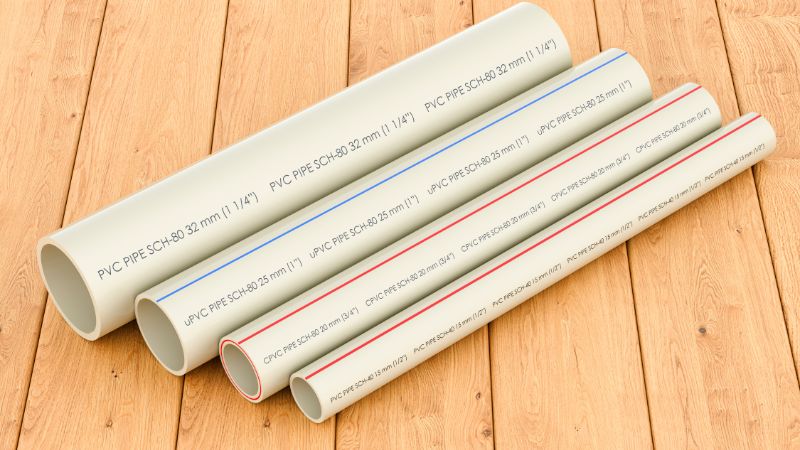
Sizing is based on nominal pipe size, which is a standard designation rather than the exact measured diameter. CPVC is available in both iron pipe size and copper tube sizes, so it is important to match the correct standard to your existing system. To choose the right nominal pipe dimension, check whether you are connecting to copper tube or other plastic or metal lines, review manufacturer sizing charts for your flow and pressure needs, and follow local plumbing code minimums.