Yes — PVC is reasonably resistant to sunlight, but not immune. Untreated PVC resists water and many chemicals, but ultraviolet (UV) radiation from the sun attacks the plastic’s surface over time, producing discoloration, chalking, and a loss of surface impact strength. With the right choices and simple protections, most outdoor PVC installations will last many years without structural failure.
Key Takeaways
- UV attacks the surface of PVC, causing discoloration, chalking, and reduced impact resistance over time.
- Pigments and UV stabilizers significantly slow degradation—choose UV‑rated pipe for exposed installations.
- Simple measures—painting, wraps, shading or burying—are effective and inexpensive ways to extend service life.
What is PVC and How Does UV Affect it?
PVC (polyvinyl chloride) is a thermoplastic used widely for plumbing, irrigation, conduit and more because it’s lightweight, inexpensive, chemically resistant, and easy to install. UV radiation is high‑energy light from the sun that breaks chemical bonds in polymers.
When PVC absorbs UV, the damage begins at the surface where light penetrates, producing visible and mechanical changes over time.
What are the Effects of UV Exposure on Plastic Pipe?
- Surface discoloration and yellowing are the most obvious signs; chalky residue (called chalking) can form on the outer layer.
- The outer millimeters of the pipe lose some impact strength and become more brittle; this is a surface phenomenon — the interior and bulk properties remain largely intact unless exposure is extreme or prolonged.
- Heat buildup on dark or unpainted pipe can accelerate aging in hot climates, but color choice and reflective coatings help mitigate that.
- For the majority of typical outdoor uses, UV degradation reduces surface toughness before it affects pressure capacity or causes sudden catastrophic failure — though severe, years‑long exposure without protection raises long‑term risk.
What Research and Field Experience Show
Industry guidance and field reports align on several points: visible chalking and discoloration can appear within months in strong sun, measurable embrittlement typically occurs over multiple seasons, and laboratory tests often show the greatest loss in impact strength rather than large changes in tensile modulus in the short term. Contractor and DIY reports also note that stored pipe left uncovered can become noticeably brittle after prolonged exposure. These patterns appear consistently in manufacturer advisories and community discussions.
Types of Plastic Pipe and UV Resistance
- Standard white Schedule 40 / Schedule 80 PVC: Common for plumbing and irrigation; needs protection if exposed long-term.
- Gray electrical conduit (PVC‑U with carbon black): Often formulated with carbon black or other UV inhibitors and performs better in sunlight. Use conduit specifically rated for sunlight if it will remain exposed.
- CPVC (chlorinated PVC): Offers improved thermal performance and somewhat different weathering characteristics; still benefits from protection if permanently outdoors.
- Clear PVC: Has the poorest UV resistance and should be avoided in continuous sun exposure.
- UV‑stabilized or UV‑resistant formulations: Some manufacturers sell PVC with added UV stabilizers, titanium dioxide or carbon black; these are your best choice for long‑term exposed installations.
Does UV Exposure Lead to Catastrophic Failure?
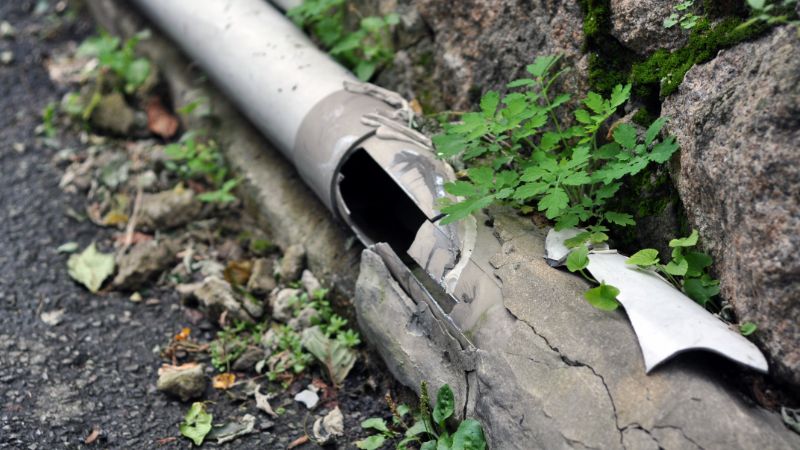
Short answer: Unlikely in normal conditions, but possible with long neglect. UV degradation typically reduces surface impact strength and makes the pipe brittle at the surface first. That decreases tolerance to knocks, freezing‑and‑thaw cycles, and mechanical abrasion — which, combined, can eventually lead to cracks or leaks. For above‑ground runs that receive constant sunlight and mechanical stress, plan for protection or replacement sooner rather than later.
How to Protect PVC Pipe From UV? 5 Practical Methods
-
Paint with a suitable coating
- Use a water‑based latex or acrylic paint formulated for plastic; these reflect sunlight and reduce heat gain. Avoid oil‑based paints that don’t adhere well to PVC. Clean and scuff the surface before painting for best adhesion.
-
Choose UV‑resistant pipe or additives
- Where budget allows, buy PVC made with UV inhibitors or choose gray conduit with carbon black. These formulations will last longer in direct sun.
-
Physical barriers and placement
- Run pipe in shaded areas, under eaves, or behind fences. Burying lines eliminates UV risk entirely — just follow local codes for burial depth and backfill.
-
Wraps and protective sleeving
- UV‑resistant wraps or weatherproof insulation sleeves provide a barrier and help with insulation in cold climates. Check chemical compatibility with solvents or adhesives used on joints.
-
Regular inspection and maintenance
- Look for discoloration, chalking, hairline cracks, or stiff/brittle spots. Replace any sections showing significant surface embrittlement before they fail under mechanical stress.
Choosing the Right Pipe for Specific Applications
- For pool plumbing, keep lines out of direct sunlight where possible and inspect for surface brittleness; CPVC and UV‑resistant PVC are commonly used choices.
- For irrigation in hot climates, select UV‑stabilized pipe or paint exposed sections white to reflect heat.
- For electrical conduit, use conduit rated for direct sunlight (usually gray with UV stabilizers).
- For permanent underground runs, standard PVC is appropriate — burial protects against UV entirely but follow local code for depth and bedding.
Quick Checklist: Signs your PVC Needs Attention
- Surface chalking or powdery residue
- Yellowing or discoloration
- Hairline surface cracks or crazing
- Stiff or brittle feeling when flexed
- Visible sun‑scorching on dark pipe in hot climates
If you see these, consider protection or replace the segment.