JWSSG2000 Four Shaft Shredder for HDPE Pipe
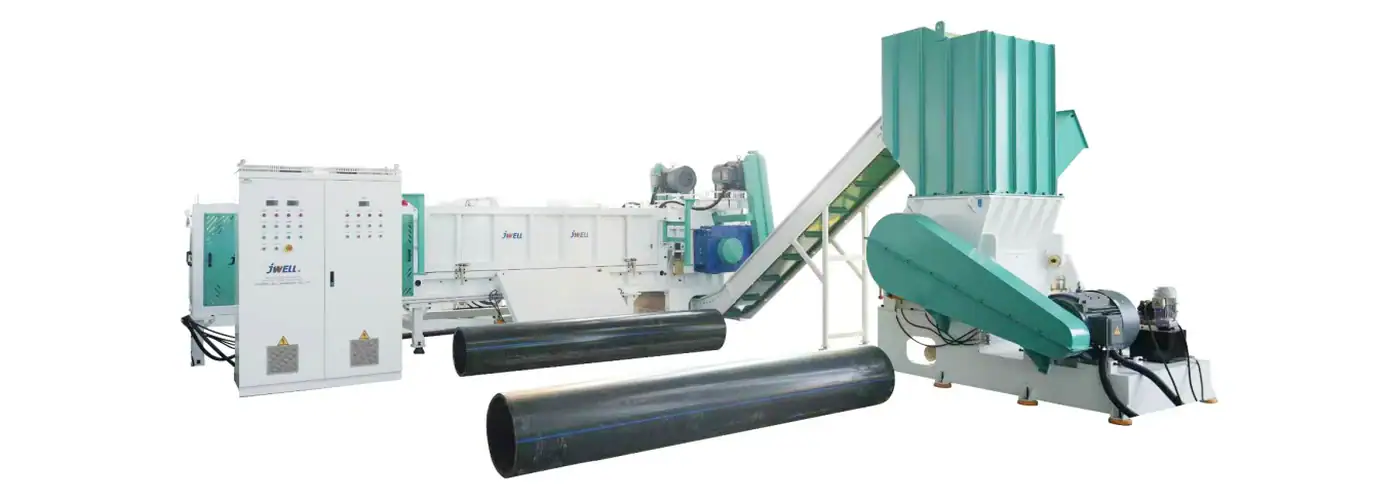

A horizontal four-shaft shredding line with synchronized drive, hydraulic feeding, laser distance sensing, and 1500-3000 kg/h rated capacity for HDPE pipe.
Key Selling Points
- Synchronized Four-Shaft Drive: Coordinates all four shafts for stable pipe shredding.
- Controlled Hydraulic Feeding: Pushes bulky pipe toward the shredding shaft without uncontrolled manual force.
- Laser Distance Sensing: Supports consistent hydraulic feed positioning during operation.
- Defined Throughput Range: Rated at 1500-3000 kg/h for preliminary capacity planning.
- Long Horizontal Infeed: A listed 6 m infeed length accommodates long pipe handling.
Main Technical Parameter
| Model | Capacity | Recycled Material Diameter | Infeed Opening Length | Raw Material |
|---|---|---|---|---|
| JWSSG2000 | 1500-3000 kg/h | 110-2000 mm* | 6 m | HDPE pipe |
Product Description
The JWSSG2000 four shaft shredder is a horizontal size-reduction line developed for handling HDPE pipe in recycling operations. Its four-shaft drive system keeps all four shafts working synchronously, providing a coordinated shredding action for long, bulky pipe feedstock. The supplied model data lists a rated throughput of 1500-3000 kg/h, giving project teams a defined capacity range for preliminary line selection.
Material enters through a horizontal infeed section with a listed length of 6 m. An integrated hydraulic cylinder system advances the pipe toward the main shredding shaft. A laser distance sensor works with this feeding system to regulate the pushing action, supporting a stable and smooth shredding process rather than relying on uncontrolled manual feeding.
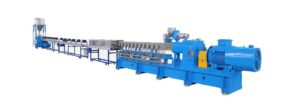
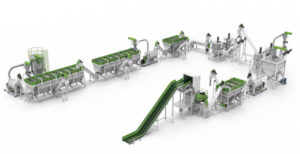
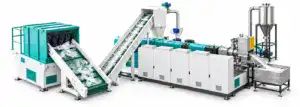
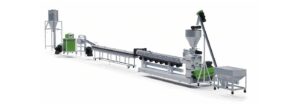
For procurement planning, the JWSSG2000 combines the shredder, feeding structure, and material-transfer arrangement as a coordinated machine line. The product images show a horizontal loading section connected to shredding and conveying equipment, providing a practical reference for layout discussions. Final configuration, installation space, utilities, discharge requirements, and any downstream size-reduction stage should be confirmed against the buyer’s pipe dimensions, production target, and desired output.