PCR (post-consumer recycled) and PIR (post-industrial recycled) materials let you reduce waste and create quality products. But processing them has unique challenges.
This guide includes extrusion strategies, problem-solving, and quality standards — while keeping your sustainability goals in mind.
Core Principles of PCR and PIR Materials
PCR and PIR are two distinct recycled streams. Their origins, quality, and processing requirements directly impact your extrusion.
Defining Post-Consumer and Post-Industrial Recycled Streams
PCR material comes from products you and other consumers have used and discarded. This includes items like water bottles, food containers, and packaging that go through collection, sorting, and cleaning.
PIR material originates from manufacturing waste before products reach consumers. Think of factory trimmings, excess bottle plastic, or packaging cutoffs that never left the production facility.
Feedstock Selection and Material Consistency
PIR offers you cleaner, more consistent feedstock because it hasn’t been contaminated through consumer use. PCR feedstock requires more processing due to mixed polymer types, food residue, and other contaminants.
Your choice between recycled polypropylene (rPP), recycled PET (rPET), or recycled polycarbonate (rPC) depends on your application needs and available material quality.
Mechanical Properties and Performance Factors
PCR polymers often show reduced tensile strength and impact resistance compared to virgin materials. Each recycling cycle can degrade polymer chains. This affects your final product’s performance.
You’ll need to monitor intrinsic viscosity to assess molecular weight degradation in materials like rPET.
Extrusion Process and Technical Challenges
When processing recycled polymers through extrusion, you must carefully choose equipment, manage additives, control temperature, and monitor quality — to produce consistent, high-quality materials.
Extrusion Equipment and Twin-Screw Considerations
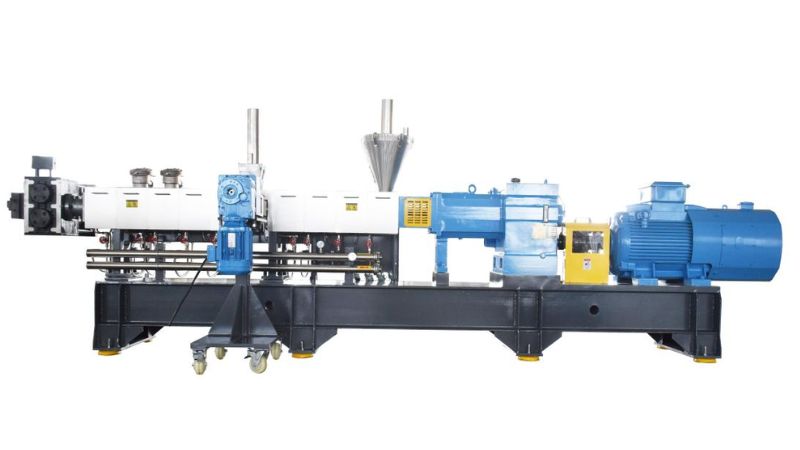
A twin-screw extruder works best for mechanical recycling of post-consumer resins. The two screws help you mix materials better than single-screw designs. You’ll get more control over temperature and can handle different types of plastic waste.
Twin-screw systems let you adjust processing conditions on the fly. This matters because recycled materials often vary in quality between batches.
Masterbatch Formulation and Additive Integration
Recycled polymer needs additives to perform well. Antioxidants protect against thermal degradation during processing. You’ll also need to consider flame retardancy requirements for your end product.
Masterbatch formulations help you distribute additives evenly throughout the melt. This ensures material consistency in your final product.
Thermal Degradation and Moisture Management
Keep extrusion temperatures around 280°C for materials like rPET. Higher temperatures cause thermal degradation and weaken your polymer chains.
Moisture damages recycled polymers during extrusion. You must dry your material before processing to prevent quality issues.
Melt Flow Index and Quality Control
The melt flow index tells you how easily your polymer flows when melted. Test it regularly to catch consistency problems early. Monitor heat deflection temperature to verify your material meets specifications.
Ensuring Quality, Compliance, and Sustainability
To meet regulatory standards and prove environmental claims, you need careful documentation and testing during PCR extrusion.
Traceability and Regulatory Standards
You must track PCR materials from collection through final product. To comply, you must know polymer’s contents and origin.
If you use PCR in food packaging, FDA approval or EU Regulation 2022/1616 authorization is required. Your recycling process needs validation through testing and documentation.
Many regions now require minimum recycled content. The EU PPWR mandates 30% PCR in PET beverage bottles by 2030. California and other US states have similar requirements for specific products.
Environmental Claims and Labeling
You can’t just claim your product contains recycled content without proof. Testing services can verify PCR percentages in your materials through chemical analysis.
RPA (Recycled Plastic Assurance) and similar programs help validate your claims. False environmental claims can result in fines and damage to your brand reputation.
Recycled Content Certification and Supply Chain
Third-party certification builds trust with customers and retailers. Programs like EPEAT recognize products meeting verified sustainability criteria.
Your suppliers should provide certificates of analysis showing PCR content. Request batch testing data and maintain records for audits.
Contribution to Circular Economy and Carbon Reduction
Using PCR materials reduces your carbon footprint and Scope 3 emissions. Recycled polymers require less energy than virgin plastic production.
EPR (Extended Producer Responsibility) fees in the EU and UK are lower when you use more recycled content. This helps you meet sustainability targets while supporting the circular economy.
Turn Recycled Materials into High-Performance Products with JWELL
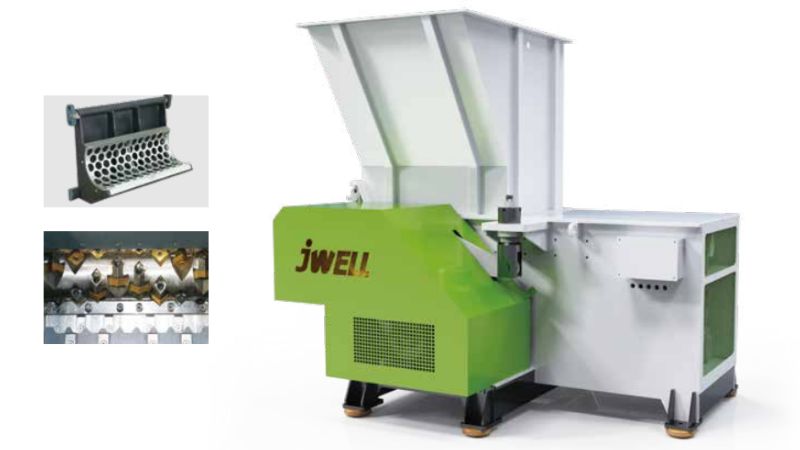
Processing PCR and PIR materials successfully requires advanced equipment, precise control, and deep material expertise. At Jwellanhui, we help you transform recycled plastics into consistent, high-quality products while meeting performance and sustainability targets. Explore our recycling and extrusion solutions.
Whether you are working with rPET, rPP, or mixed recycled streams, our solutions help you improve output stability and maximize material value. Contact us today to discuss your application, request a customized solution, or get expert guidance on processing PCR and PIR materials.
Frequently Asked Questions
What are the key steps in turning post-consumer plastics into feedstock ready for extrusion?
Collect used plastics and sort by polymer type. Wash to remove labels and contamination. Dry, then grind into flakes or chips. Melt and filter to remove remaining contaminants. Finally, pelletize into uniform pieces ready for extrusion.
How do you clean, sort, and dry recycled plastic to reduce contamination before processing?
Remove paper labels and organics during washing to prevent particles from burning during extrusion. Sort by polymer type and color for consistency. Use mesh filtration one step finer than your extruder. Dry thoroughly to avoid moisture-related defects.
Which extrusion settings (temperature profile, screw design, speed) typically work best for recycled polymers?
Match temperature to your polymer type. PCR often contains mixed materials, so avoid temperatures that melt contaminants (like PET in PE streams). Use a screw design with good mixing and filtration. Start with lower speeds and adjust based on melt index readings.
How can you test and control melt flow, viscosity, and moisture to keep PCR extrusion consistent?
Check melt index, melt flow ratio, and density on every PCR lot — these affect blending and processing. Test moisture before extrusion (water causes defects). Monitor melt temperature and pressure during production. Ask your supplier about antioxidant levels to prevent crosslinking.
What common defects happen when extruding recycled polymers, and how can you troubleshoot them?
Gels or specks come from contamination. Screen pack buildup means contaminants aren’t melting. Odors point to leftover organics. Inconsistent thickness comes from melt index variation. Color shifts happen with batch mixing. Use better filtration and source control.
What regulations or PCR content requirements should manufacturers watch for across different states?
For food contact, PCR must meet virgin material requirements. FDA reviews recycling processes and issues non-objection letters. Also check California Prop 65 and Toxics in Packaging Clearinghouse. Some states are setting minimum PCR content targets for specific packaging types.