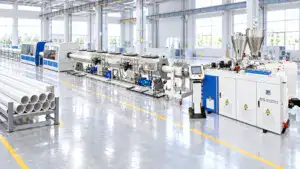
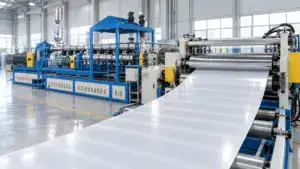
Medical extrusion pushes material through shaped dies to form precision medical tubing. It uses different equipment and standards than regular manufacturing, because healthcare applications demand the highest quality. This guide covers applications, techniques, and standards.
Key Extrusion Processes and Applications
Medical tube extrusion creates precise components like catheters and IV lines using specialized techniques. Material and process type depend on your product. Simple single-layer tubing or complex multi-lumen designs for implants require different approaches.
Medical Tube Extrusion Fundamentals
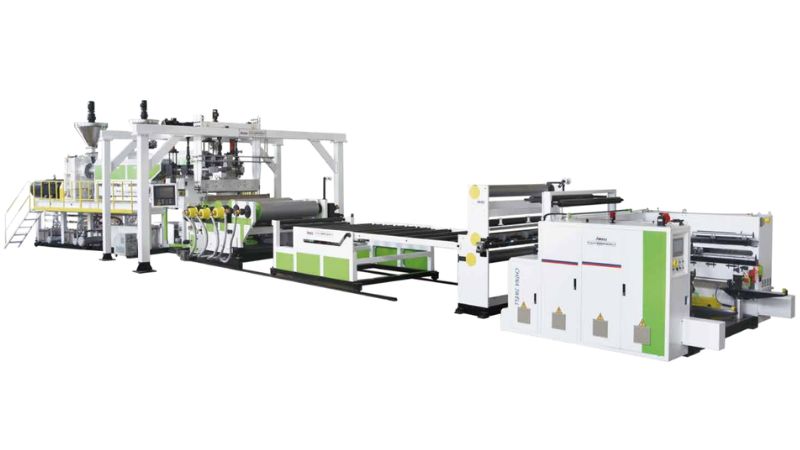
Medical tubing extrusion shapes raw materials into functional tubes through a continuous process. The extruder melts plastic, pushes it through a die, and cooling systems set the final shape.
You need tight tolerances for medical applications. Dies control tube dimensions while calibration systems maintain roundness and wall thickness. Temperature management prevents material breakdown during production.
Common and Advanced Medical Tubing Types
Single-layer extrusion works for basic applications like drainage tubes. Co-extrusion combines materials to create multi-layer tubing with enhanced properties.
Multi-lumen tubing features multiple channels in one tube. Specialized designs include bump tubing and balloon tubing for catheter systems.
Material Selection for Medical Tubing
Common materials include silicone tubing for biocompatibility and Pebax for flexibility. Each material offers specific benefits for different medical uses.
Implantable and High-Demand Medical Devices
Implantable devices require biocompatible materials and strict quality control. High-volume manufacturing uses automation to maintain consistency across production runs.
Extrusion Technology, Equipment, and Quality Standards
Medical extrusion relies on specialized equipment and strict process controls to create tubes for healthcare requirements. Know components, techniques, standards — for safe devices.
Extrusion Line Components and Capabilities
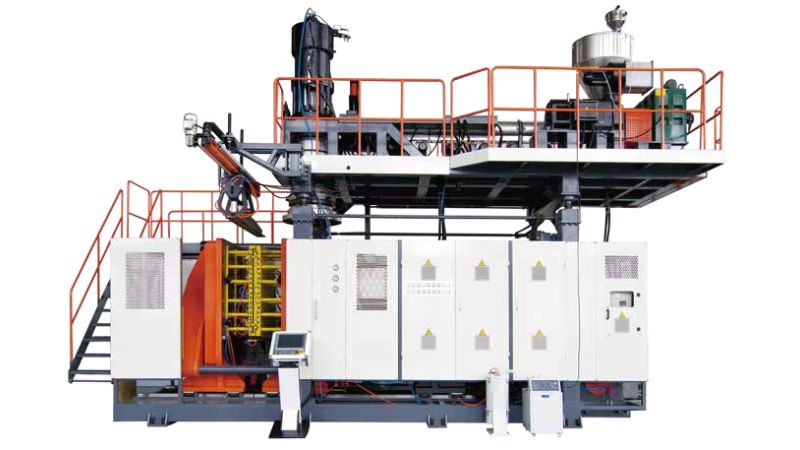
Extrusion line includes several essential parts working together. The extruder melts and shapes raw materials into tubing. Twin-screw extruders offer better mixing and temperature control than single-screw models.
Dies determine your tube’s shape and size. Multi-lumen dies create tubes with multiple channels for catheters. Micro dies produce ultra-thin tubing for minimally invasive procedures.
Cooling tanks stabilize the tubing after extrusion. Cutting units provide precise tube lengths. Together, these components support high-volume manufacturing of medical tubing.
Process Control for Tight Tolerances
Modern extrusion lines use automated systems to maintain tight tolerances. Real-time monitoring tracks temperature, pressure, and speed throughout production.
Programmable logic controllers (PLCs) make instant adjustments to keep specifications consistent. You can verify dimensions and test materials during production to catch issues early.
Standards, Cleanroom, and Regulatory Compliance
Medical tubing extrusion requires ISO 13485 certification. This standard ensures quality management systems meet healthcare needs.
Many facilities operate in cleanroom environments to prevent contamination. You must test materials for biocompatibility and sterilization compatibility. Documentation and traceability help you meet FDA and international regulations.
Get Expert Support for Your Medical Extrusion Needs
Whether you are developing a new medical device or scaling production, choosing the right extrusion partner makes all the difference. At Jwellanhui, we combine advanced extrusion technology, strict quality control, and deep industry experience to deliver precision medical products you can rely on.
Ready to take your medical extrusion project to the next level? Contact us today to discuss your application, request a quote, or schedule a consultation with our technical experts.
Frequently Asked Questions
What does extrusion mean in a medical manufacturing context?
Extrusion pushes melted plastic through a shaped opening to create long, consistent-shape products. In medical manufacturing, you use it to make tubing, catheters, and other polymer parts that need exact dimensions. The material keeps the same shape along its entire length — perfect for medical devices.
How is extrusion used to make medical tubing, catheters, and other polymer components?
Feed polymer pellets into a heated barrel where they melt. A screw pushes the melt through a die to shape it into tubing or other forms. The extrudate then cools in water baths or on cooling rolls. You can add cutting, coiling, or connectors as needed.
What are the main types of extrusion processes, and when is each one typically used?
Single-lumen extrusion makes simple tubes (IV lines, drainage).
Multi-lumen extrusion creates tubes with multiple channels for complex catheters.
Co-extrusion combines material layers for added strength or flexibility.
Which material properties matter most when choosing polymers for medical-grade extrusion?
Biocompatibility is top priority since the material contacts patients. Also consider flexibility, strength, chemical resistance, and sterilization compatibility. Common choices: polyurethane, silicone, and medical-grade thermoplastics.
What equipment features should you look for to meet common medical extrusion quality and traceability expectations?
Use temperature controls for precise barrel heat. Choose inline tools to check diameter and wall thickness in real time. Documentation systems should track batch numbers and process parameters — this helps meet regulatory requirements. Cleanroom compatibility is needed for sterile applications.
What does the IEC 60601 standard cover, and when does it apply to medical devices that use extruded components?
IEC 60601 covers electrical safety and performance for medical electrical equipment. It applies when your extruded components are part of powered devices (e.g., infusion pumps, ventilators). The standard sets requirements for electrical hazards, electromagnetic compatibility, and basic safety.