PVC shrinkage is the dimensional change that occurs when the material cools and solidifies after molding or extrusion. Temperature, material type, processing conditions, and even how you store finished products all play a role in how much your PVC will shrink.
Core Concepts of PVC Shrinkage
PVC (polyvinyl chloride) shrinks as it cools after molding or extrusion. If you don’t account for shrinkage, you could end up with parts that don’t fit properly or products that fail to meet specifications.
Definition and Importance
PVC shrinkage is the dimensional change that happens when your polyvinyl chloride products cool and solidify after processing. This change matters because it affects the final size and shape of your finished parts.
When you mold or extrude PVC, the material heats up and expands. As it cools down, it contracts.
Overview of Shrinkage Percentage
Shrinkage percentage tells you how much smaller your PVC part becomes after cooling. You calculate it using this formula:
Shrinkage Percentage = [(Initial Dimension – Final Dimension) / Initial Dimension] × 100
Most PVC products shrink between 0.2% and 2%, depending on the formula and processing conditions.
Comparison: PVC vs. Other Plastics
PVC Rigid PVC typically shrinks less than many other plastics, especially compared to amorphous types. PP (polypropylene) shrinks 1.5-2.5%, while HDPE shrinks 2-4%. ABS shows 0.4-0.8% shrinkage, similar to PVC.
Types of PVC: Rigid vs. Flexible
Rigid PVC shrinks less than flexible types, usually around 0.2-0.6%. Flexible PVC contains plasticizers that increase shrinkage to 1-2%.
Factors Influencing PVC Shrinkage
PVC shrinkage depends on the material makeup, how it’s made, where it’s stored, and how it’s designed. Each of these areas affects how much your PVC products will shrink during and after production.
Plastic Material Composition and Additives
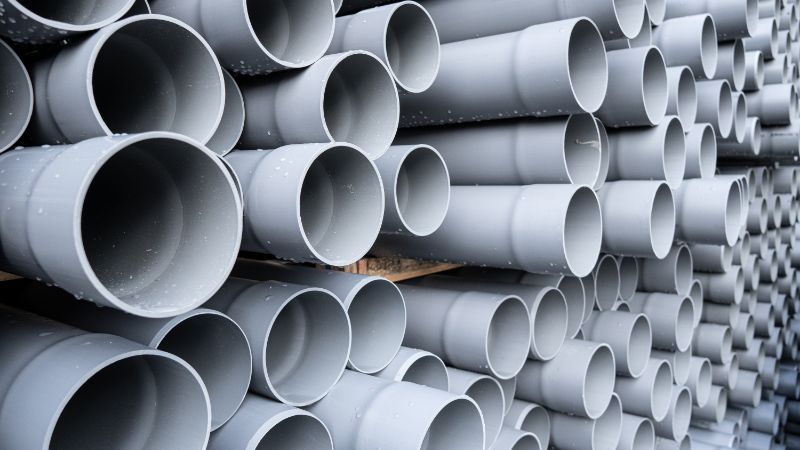
The type of PVC makes a big difference in mold shrinkage rates. Rigid PVC shrinks less than flexible PVC because of production process. When you add plasticizers to make PVC more flexible, you increase shrinkage.
The quality of raw materials matters too. Higher-density formulations (with a specific gravity between 1.40-1.50) typically shrink less than lighter versions. Adding fillers can help reduce shrinkage.
Other plastics shrink differently than PVC. CPVC, acetal, and polypropylene each have their own shrinkage patterns. PLA and PMMA also respond differently to temperature and stress.
Processing and Manufacturing Conditions
Temperature control during manufacturing directly affects your final product dimensions. If processing temperatures are too high or cooling happens too fast, you’ll see more shrinkage.
Pressure settings matter during molding and extrusion. Lower processing pressures often lead to higher shrinkage than amorphous polymers. Gate size and flow path length also play a role in how much your parts will shrink.
Environmental and Storage Conditions
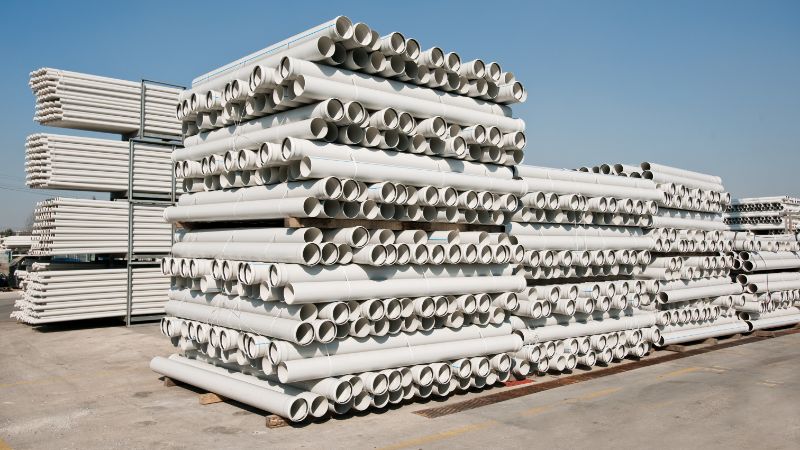
Where you store PVC affects its shrinkage. High temperatures can cause PVC pipes to shrink about 0.7% in length. Humidity and temperature changes in your storage area will impact your products’ plastic material shrinkage over time.
UV light exposure causes aging and increased shrinkage. PVC products need protection from direct sunlight and extreme heat.
Product Design Considerations
Complex shapes cool unevenly, which leads to inconsistent shrinkage. Simple designs typically perform better with less contraction and more predictable shrinkage.
Mechanical stress during use can cause deformation. When you apply loads to PVC products, they may shrink more than expected.
Rate Measurement and Control of PVC Shrinkage
Accurate measurement helps you predict final part dimensions and adjust mold designs accordingly. Testing follows specific standards, and reference data guides your material selection.
Shrinkage Rate Testing & Calculation Methods
You can measure PVC shrinkage using standardized test methods. They track dimensional changes as parts cool. The most common approach involves molding test specimens, measuring them at specific intervals, and calculating the shrinkage percentage.
ISO 294-4 and ASTM D955 are the primary standards. These methods measure linear shrinkage by comparing mold dimensions to part dimensions after 24 hours. You calculate shrinkage percentage using the formula: (mold dimension – part dimension) / mold dimension × 100%.
Industry Standards and Guidelines
ISO 2577 provides guidelines for determining linear shrinkage values. For PVC and other materials like PBT, PET, and PC, ISO 294-3 covers post-mold shrinkage measurements. These standards ensure consistent testing conditions including temperature, pressure, and cooling time.
Shrinkage Charts
Reference charts show typical shrinkage ranges for different plastics. PVC typically shrinks 0.2-2.0%, while materials like polyoxymethylene (POM) and polybutylene terephthalate (PBT) show higher rates. Engineering plastics such as PSU, PPS, and PC each have distinct shrinkage characteristics you should verify with material suppliers.
Applications, Challenges, and Best Practices
PVC shrinkage impacts performance across multiple industries, from construction to medical devices. Dimensional stability matters most. Addressing shrinkage problems helps you choose the right materials and processes for your specific needs.
Critical Uses of PVC
Medical device manufacturers rely on PVC tubing and packaging where shrinkage affects sterility and function. In construction, PVC profiles must maintain exact measurements for proper sealing and structural integrity.
Electrical insulation applications require stable dimensions to protect components. Shrinkage here can expose wiring or create safety hazards. Packaging applications also demand consistency, as shrink-wrapped products need predictable shrinkage rates during heat application.
Common PVC Material Shrinkage Issues and Solutions
Temperature control during manufacturing is first challenge. Uneven cooling causes inconsistent shrinkage across product. You should monitor extrusion or molding temperatures closely and maintain steady cooling rates.
Environmental storage conditions matter too. High humidity and temperature swings increase shrinkage over time. Store your PVC products in climate-controlled spaces between 60-80°F.
Mechanical stress during use can trigger additional shrinkage. Avoid exceeding load limits specified for your PVC grade. Adding UV stabilizers and antioxidants to formulation prevents aging-related shrinkage when products face outdoor exposure.
Selecting PVC and Related Materials for Dimensional Stability
Rigid PVC typically shrinks less than flexible formulations with plasticizers. For applications requiring even greater stability, consider alternatives like ABS with lower shrinkage rates than standard PVC.
Polyamide 66 and polyphenylene sulfide provide superior dimensional stability in high-temperature environments. ASA works well for outdoor applications needing UV resistance without excessive shrinkage. For flexible applications, TPE often delivers better dimensional control than plasticized PVC.
Compare your requirements against material properties. PET offers excellent stability for packaging, while HIPS provides good rigidity with predictable shrinkage. PP and EVA serve specialized needs. Their specific shrinkage characteristics match your application demands.
Master PVC Processing and Shrinkage Control with Jwell
Frequently Asked Questions
What factors can cause plastic parts to end up smaller than expected after cooling?
The type of PVC matters – flexible PVC shrinks more than rigid versions. Temperature changes during cooling play a big role too.
The way parts cool makes a difference. Fast cooling can lead to different shrinkage than slow cooling. Your part’s shape and thickness also matter.
How can I estimate the final dimensions of a molded part before production starts?
Use shrinkage rate data for your specific PVC material. Most manufacturers provide these numbers as percentages. Rigid PVC typically shrinks between 0.2% to 0.6%.
Testing with sample parts gives you the most accurate results. This lets you adjust your mold dimensions before full production.
Does the amount of plasticizer or filler change how much a part shrinks?
Yes, additives change shrinkage rates. More plasticizers usually mean more shrinkage. Fillers typically reduce how much the material shrinks.
Higher-filled grades with specific gravity between 1.40-1.50 shrink less than unfilled materials.
How do processing settings like melt temperature, mold temperature, and packing pressure affect part size?
Temperature control is critical for consistent shrinkage. Higher melt temperatures can increase shrinkage. Higher packing pressure helps reduce it by forcing more material into the mold.
Mold temperature affects cooling rates. Warmer molds slow cooling and can change final dimensions.
Why do some parts shrink unevenly and end up warping or pulling away from the mold shape?
Uneven cooling causes different shrinkage rates across your part. Thick sections cool slower than thin ones. This creates stress that leads to warping.
Complex shapes with varied wall thickness are more likely to warp. Gate location and size also affect how evenly material flows and cools.
What are practical ways to reduce dimensional variation and keep tolerances consistent across batches?
Monitor your process parameters closely. Keep melt temperature, mold temperature, and cycle time consistent between batches.
Use quality raw materials from reliable suppliers to minimize injection molding issues. Test materials regularly to catch variations early. Store PVC in controlled environments away from temperature extremes and humidity.