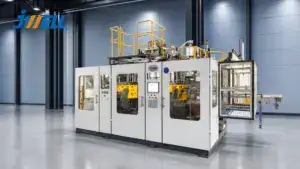
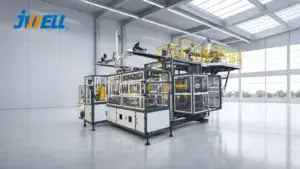
Оберіть лінію формування целюлози залежно від продукту та методу сушіння. Для яєчних лотків та захисної упаковки зазвичай використовується трансферне формування з окремим сушінням гарячим повітрям, тоді як преміальний посуд вимагає гарячого пресування у формі, жорсткішого контролю та обрізки. Порівняйте обсяг виробництва, використовуючи однакову вагу продукту, кількість порожнин, час циклу, кінцеву вологість, час безвідмовної роботи та вихід продукції — кількість штук за годину може вводити в оману.
1. Почніть з категорії продукту
Вироби, отримані методом лиття целюлози, зазвичай групуються за процесом та обробкою:
- Товстостінна або лита упаковка: лотки для яєць, лотки для фруктів, підставки для пляшок та основні захисні упаковки, часто сушать після формування.
- Промислова упаковка, що виготовляється методом трансферного формування: тонші, більш контрольовані розміри вставки для побутової техніки, електроніки та споживчих товарів.
- Вироби з термоформованого або тонкопресованого волокна: гладкий посуд, кришки та преміальна упаковка формуються та висушуються під дією тепла та тиску.
Визначте найбільший та найменший виріб, вагу одиниці, товщину стінки, глибину, кут нахилу, обробку поверхні, допуск на розміри, вимоги до штабелювання та міцність на стиск. Для виробів, що контактують з харчовими продуктами, додайте відповідні вимоги щодо хімічних речовин, міграції, гігієни та компостування або переробки. Не вважайте, що «біорозкладний» є достатнім нормативним доказом.
Асортимент машин для формування целюлози JWELL включає напівавтоматичні, зразковідбірні, промислово-пакувальні та повністю автоматичні конфігурації.
2. Виберіть та кваліфікуйте волокнисту основу
Сировина впливає на дренаж, міцність, колір, поверхню та вартість. Перероблений папір широко використовується для лотків та промислової упаковки; первинні або сільськогосподарські волокна, такі як багаса, можуть бути обрані для харчової промисловості та преміальних продуктів. Довжина волокна, зольність, дрібні частинки, чистота, забруднення та вологість – все це впливає на процес.
Зверніться до постачальника обладнання для випробування фактичної маси. Система варіння целюлози може включати гідропульпер, скидний резервуар, грохоти, рафінери, змішувальні резервуари, мішалки, насоси та систему контролю консистенції. Необхідна підготовка залежить від того, чи є вхідний матеріал чистим товарним целюлозним матеріалом, макулатурою чи сільськогосподарськими відходами, що потребують додаткового очищення.
Хімічний склад води також має значення. Зважені тверді речовини, розчинені солі, температура та накопичення добавок можуть впливати на дренаж та відкладення. Замкнутий водний цикл зменшує споживання та кількість стічних вод, але все одно вимагає фільтрації, балансувальних резервуарів та плану контролю забруднюючих речовин.
3. Розуміння формування та перенесення
Під час вакуумного формування просієна форма занурюється у волокнисту суспензію або піддається її впливу. Вакуум протягує воду через сито та осаджує волокна на форму. Потім передавальна форма переміщує вологу преформу на наступний етап. На вагу виробу впливають консистенція суспензії, рівень вакууму, час формування, дренаж та стан форми.
Порівняйте тип машини, кількість формувальних поверхонь, розмір плити, максимальну глибину виробу та час циклу. Запитайте, як змінюються та вирівнюються форми, як контролюється вакуум та стиснене повітря, і як система виявляє пропущені переміщення. Сервопривідне або автоматизоване переміщення може покращити повторюваність, але вся лінія має бути збалансована; швидке формування не збільшує продуктивність, якщо сушарка вже заповнена.
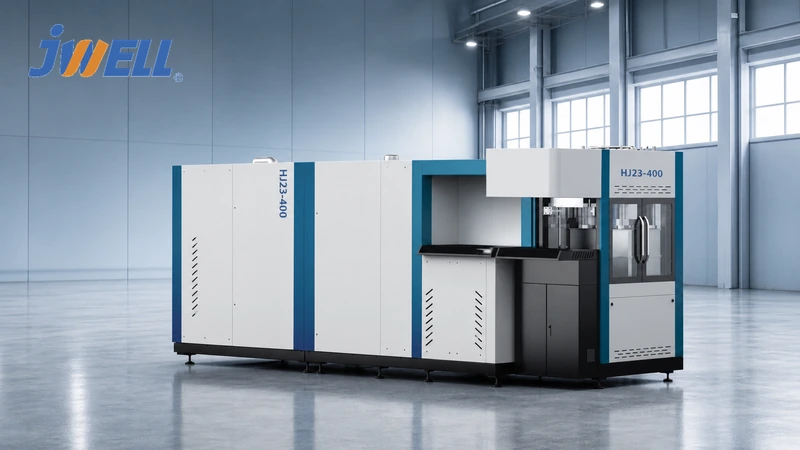
Для розробки та мікропартій автоматична система відбору проб може зменшити ризик переходу безпосередньо від САПР до інструменту масового виробництва. Лінія відбору проб целюлози HJ23-400 від JWELL призначена для створення прототипів та пілотних партій.
4. Ретельно оберіть стратегію сушіння
Видалення води часто є найбільшим тепловим навантаженням на заводі з формування целюлози. Відповідний метод залежить від типу продукту, вимог до поверхні, продуктивності, наявності палива та місцевих цін на енергоносії.
Природне або решітчасте сушіння має низьку вартість обладнання, але потребує робочої сили, простору та відповідного клімату, а також слабшої консистенції.
Тунельні або багатошарові сушарки використовують гаряче повітря та безперервне транспортування. Вони поширені для лотків та промислової упаковки і можуть використовувати газ, пару, термомасло, біомасу або інші джерела тепла, специфічні для конкретного місця. Порівняйте ізоляцію, рециркуляцію, контроль вихлопних газів, завантаження стрічки та рівномірність вологості.
Термоформування у формі або гаряче пресування застосовує тепло та тиск для сушіння або обробки виробу, створюючи більш гладкі поверхні та щільніші розміри. Це вимагає точного контролю температури, тиску та циклу, і зазвичай має вищу енергоємність та потребує вищого обладнання.
Розрахуйте кілограми води, що видаляється за годину. Кількість твердих частинок вологої преформи, що надходять, та кінцева вологість визначають фактичне навантаження сушарки. Вимагайте від постачальника вказувати споживання енергії за певних умов навколишнього середовища, стану матеріалу та продукту, а не називати найкращий варіант палива.
5. Напівавтоматичний чи повністю автоматичний?
Напівавтоматична машина для формування целюлози може знизити початкові інвестиції та підійти для гнучкої промислової упаковки меншого об'єму. Її економічність залежить від наявності робочої сили, стабільності операторів, ручного переміщення та зовнішнього сушіння.
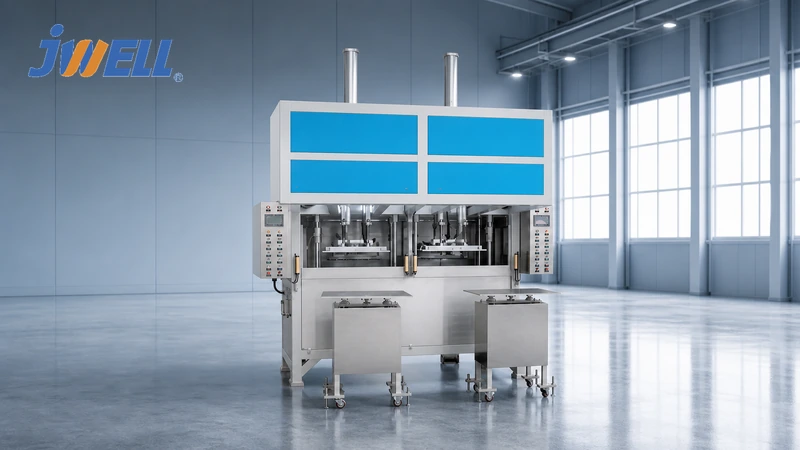
Повністю автоматична лінія поєднує формування, переміщення, сушіння або гаряче пресування, обрізку, перевірку та штабелювання різною мірою. Вона зменшує прямі трудовитрати та може забезпечити більш стабільну продуктивність, але вимагає стабільної програми виробництва, сильніших навичок обслуговування та більшого капіталу.
Автоматизацію слід оцінювати окремо для кожної окремої станції. Запитайте, хто завантажує фурнітуру, переміщує вологі деталі, обробляє браковані вироби, змінює форми, обрізає краї, підраховує, складає та пакує. Лінія, що рекламується як «автоматична», все одно може потребувати кількох ручних операцій.
Щоб отримати преміальну продукцію для громадського харчування, перегляньте повністю автоматичну лінію виробництва наборів для формування целюлози від JWELL та перевірте конфігурацію на відповідність вашому продукту та місцевим вимогам.
6. Правильно розрахуйте місткість
Продуктивність машини можна вказувати в одиницях за годину, кілограмах за годину або тоннах за день. Перетворіть усі котирування на одиниці, придатні для продажу, використовуючи той самий продукт.
брутто штук/годину = порожнини за цикл × 3,600 ÷ секунди циклу
Потім застосуйте показники часу безвідмовної роботи та прибутковості:
кількість товарів/годину = кількість товарів/годину × час безвідмовної роботи × вихід першого проходу
Тривалість циклу змінюється залежно від ваги продукту, глибини, дренажу та сушіння. Лінія, яка виробляє 6,000 лотків для яєць на годину, не обов'язково виготовлятиме 6,000 глибоких промислових вставок. За кожною заявою про продуктивність запитуйте про схему форми, вагу одиниці, години роботи, вологість продукту та тривалість випробувань.
7. Інструменти визначають якість продукції
Формувальна форма, передавальна форма, форма для гарячого пресування та інструмент для обрізки повинні працювати як узгоджений комплект. Перегляньте матеріал форми, конструкцію дренажного отвору, кріплення екрану, нагрівальні канали, вакуумне герметизування, очікуваний термін служби та метод ремонту. Конструкція дрібного екрану та дренажу впливають на поверхню та час формування; недостатня тяга або вентиляція можуть спричинити прилипання та деформацію.
Уточніть, кому належить конструкція інструменту, скільки пробних виправлень включено та чи можна відтворити виробничі форми локально. Для операцій з високим рівнем змішування виміряйте час зміни форми та точність відтворення рецептури.
8. Комунальні послуги, планування та екологічні системи
Повний перелік комунальних послуг може включати електроенергію, технічну воду, вакуум, стиснене повітря, пару або паливо, охолоджувальну воду та обробку стічних вод. Запитуйте середнє експлуатаційне навантаження, а також встановлену потужність. Перед замовленням створіть карту зони варіння целюлози, вологої частини, гарячої зони, зони фінішної обробки, зберігання матеріалів та потоку готової продукції.
Зверни увагу на:
- Рециркуляція води, фільтрація та управління переливом
- Шум від вакуумних насосів, рафінерів та стисненого повітря
- Рекуперація тепла та вихлопні гази сушарки
- Пиловий фільтр на станціях обрізки
- Протипожежний захист навколо сховищ та сушарок для волокон
- Розділення харчових зон та мийні поверхні для посуду
- Доступ для зміни форм, технічного обслуговування та переміщення навантажувача
Екологічні дозволи залежать від місця розташування та процесу. Перевірте скидання води, викиди в повітря, дозволи на котли або пальники та поводження з відходами на ранніх етапах проекту.
9. Заводська приймальна комісія та план якості
Проведіть приймально-здавальне випробування з узгодженим волокном, добавками та інструментом для продукту. Зафіксуйте стабільні цикли протягом значного періоду та виміряйте вихід, вагу одиниці, вологість, розміри, вкладеність, поверхню, міцність, коефіцієнт браку, споживання води та енергії.
Перевірки якості можуть включати випробування упаковки на стиск, падіння або вібрацію; стійкість посуду до олії та води; перевірку розмірів; запаху; залишкової вологи; кольору; якості кромки; та контролю забруднення. Методи випробувань повинні відображати конкретні характеристики пакувальної лінії та середовища дистрибуції клієнта.
Перевірте блокування безпеки, захисні пристрої, системи тиску, електричну документацію, перелік запасних частин, інструкції та навчання операторів. Підтвердьте обов'язки з встановлення, дистанційну підтримку, обслуговування на місці та винятки з гарантії.
10. Порівняйте загальну вартість кожного товару, що продається
Інвестиції виходять за рамки формувальної машини. Вони включають варіння целюлози, резервуари, насоси, форми, вакуум, компресор, сушарку або гарячі преси, обрізку, штабелювання, котел або джерело тепла, очищення води, будівельні роботи, перевезення вантажів, мита, пусконалагоджувальні роботи та лабораторне обладнання.
Експлуатаційні витрати повинні включати волокно, добавки, воду, електроенергію, теплову енергію, оплату праці, упаковку, знос інструментів, грохоти, технічне обслуговування, брак та очищення стічних вод. Використовуйте консервативний час безвідмовної роботи протягом періоду розгортання. Швидша лінія не є більш економічною, якщо споживання енергії, брак або непродані потужності зростають швидше, ніж дохід.
Інформація, яку потрібно включити до запиту цінових пропозицій (RFQ)
Надішліть креслення та зразки продукції; вагу одиниці та річний обсяг; тип волокна; стан контакту з харчовими продуктами; необхідну обробку та випробування; заплановані зміни; місцеву напругу, воду та паливо; планування заводу; вартість робочої сили; бажану автоматизацію; та цільову дату введення в експлуатацію. Попросіть постачальника надати схему технологічного процесу, планування лінії, таблицю комунальних послуг, базу потужностей, перелік інструментів та протокол приймання.
Сплануйте свою лінію формування целюлози з JWELL
Правильна виробнича лінія для формування целюлози починається з валідованого продукту та збалансованого потоку маси та енергії від варіння целюлози до остаточної обробки. JWELL може допомогти порівняти маршрути відбору проб, напівавтоматичні та повністю автоматичні маршрути відповідно до ваших вимог до волокна, потужності, комунальних послуг та якості. Ознайомтеся з асортиментом обладнання для формування целюлози або зв'яжіться з JWELL з файлами вашої продукції, щоб запросити індивідуальну лінію та план випробувань.