In plastic waste recycling, the highest net pelletizing value usually comes from clean, single-polymer, dry feedstocks—especially sorted PET bottle flakes and HDPE or PP rigid scrap. Clean PE/LDPE film and PP woven bags can also be viable when they are dry and low in contamination. Mixed multilayer, wet municipal, and PVC-contaminated waste usually rank lowest because preparation costs and yield losses consume more of the pellet value.
“Pelletizing value” means expected revenue from saleable pellets after preparation and processing costs—not the polymer’s selling price alone. Use a common input basis, such as one tonne of feedstock, when comparing waste streams:
Net pelletizing value per tonne of input = revenue from saleable pellets − sorting, washing, drying, filtration, energy, labor, and wastewater costs
Material ranking: from higher-value to lower-value waste
| Waste stream | Typical value tier | Why it can pelletize well | Main economic gate |
| Sorted PET bottles or clean PET flakes | High | Established demand and measurable intrinsic-viscosity (IV) targets | Washing, drying, color control, and thermal-history management |
| Clean HDPE rigid scrap, pipe scrap, or containers | High | Stable melt behavior and relatively high bulk density | Polymer/color separation and removal of labels, metal, and dirt |
| Clean PP rigid parts, raffia, or woven bags | Medium-high | Broad use in injection molding, extrusion, and compounds | Fillers, inks, odor, and reliable feeding of lightweight material |
| Clean LDPE/LLDPE film and agricultural film | Medium-high | Large available volume and good reuse potential when dry | Moisture, sand, paper, low bulk density, and densification cost |
| Mixed engineering-plastic scrap | Medium to low | Can be valuable when a known formulation is kept together | Compatibility, melt filtration, and buyer-specific formulation |
| Mixed municipal or multilayer waste | Low unless upgraded | Feedstock may be inexpensive | Sorting, washing, odor, PVC/PA contamination, and unstable yield |
1. PET bottles and PET flakes
PET is often a high-value stream when the feedstock is sorted by polymer, color, and source. Its value depends on IV, moisture, color, and contamination limits. PET is sensitive to moisture and thermal degradation, so a line that loses IV or creates yellowing may produce less saleable output than a smaller, better-controlled line.
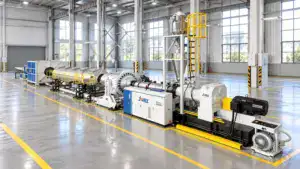
For PET, audit bottle origin, PVC content, caps and label residue, flake size, moisture after washing, and the buyer’s IV range. The Jwell PET bottle flakes recycling line page describes water-cooled strand and water-immersed cutting options and lists reference outputs from 300 to 2,500 kg/h. Treat those figures as equipment references; actual saleable output depends on feedstock and configuration.
2. HDPE rigid scrap and pipe waste
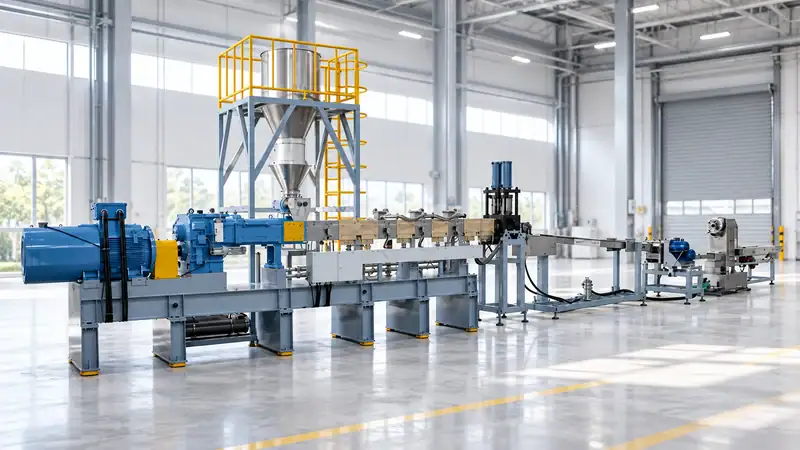
Clean HDPE containers, crates, drums, and pipe scrap are often easier to stabilize than wet films because the material has higher bulk density and predictable conveying behavior. Natural and light-color streams usually offer more downstream application options than heavily pigmented or odor-retaining material. Keep HDPE separate from PP whenever the customer requires consistent density, melt flow, or mechanical performance.
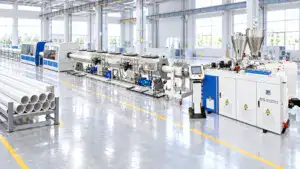
Measure the polymer split, moisture, dirt, metal, and color over several delivery lots. A plastic recycling machine range can combine shredding, melt filtration, degassing, and pellet cutting, but sizing should follow the real contamination load rather than a catalog nameplate.
3. PP rigid parts, raffia, and woven bags
PP waste can be a strong feedstock when it is clean and single-polymer. Injection-molding runners and production scrap are usually easier than post-consumer packaging because the formulation and contamination are known. PP woven bags and raffia are also recyclable, but printed ink, sand, moisture, and calcium-carbonate filler can reduce pellet quality.
The practical question is whether the line can feed a low-density, flexible stream at a stable rate. Shredding, forced feeding, melt filtration, and controlled degassing often matter more than simply selecting a larger extruder. Sample the ash, filler, odor, and melt-flow variation before setting a pellet specification.
4. PE and LDPE films
PE film can offer good net value when it is dry, reasonably clean, and available in a consistent grade. It becomes less attractive when the feed contains soil, paper, food residue, agricultural chemicals, or excessive moisture. Film also occupies a large volume per kilogram, so storage, compaction, and feeding can dominate the economics.
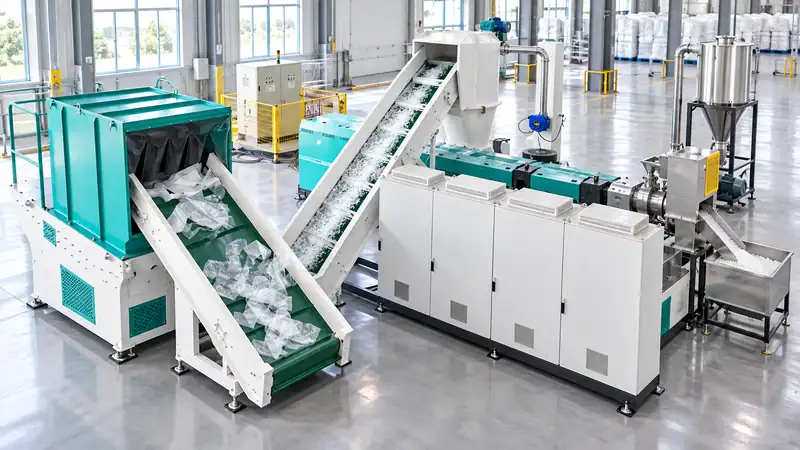
For this material, compare the cost of washing and drying with the value of the final pellet. The Jwell integrated PE film granulation line is presented for a 1,000 kg/h shredding stream and a 500 kg/h PE output reference, with an approximately 18 m × 8.5 m × 3.3 m layout. These are product-page references, not a promise for every film mix.
Why the same polymer can have very different value
Polymer identification is only the first screen. Before approving a plant design, score each waste lot against six variables:
- Purity and compatibility:A small amount of PVC, PA, PET, metal, or elastomer can create gels, corrosion, odor, or unstable mechanical properties.
- Moisture:Water raises energy demand and can cause hydrolysis, foaming, or poor pellet shape. PET generally requires tighter moisture control than PE or PP.
- Color and odor:Natural and light-color streams give more downstream options. Dark color or persistent odor can limit the buyer even when the polymer is technically recoverable.
- Melt history:Repeated heat exposure changes IV, melt flow, and additive balance. Ask for a melt-flow or IV test rather than assuming virgin-like behavior.
- Bulk density and feeding:Film and raffia may need compaction or a force feeder; rigid regrind typically conveys more easily.
- Supply consistency: Score supply consistency alongside price; seasonal or variable bales can change the line’s saleable output.
Nameplate capacity is not saleable output
Use a simple planning calculation when comparing lines:
Saleable output (kg/h) = nameplate capacity × uptime × saleable yield
For planning only, a 500 kg/h line at 85% uptime and 92% saleable yield produces about 391 kg/h. Process losses and color changes reduce the final number.
A practical feedstock audit before buying a line
Collect representative samples from several delivery lots and record:
- polymer and color breakdown by weight;
- moisture before and after storage;
- paper, metal, soil, organic matter, PVC, PA, and other non-target contamination;
- bulk density and average particle or film size;
- melt-flow rate for PE/PP, or IV and color data for PET;
- target pellet application and buyer acceptance limits;
- operating hours, utilities, available floor space, and wastewater constraints.
Then run a controlled trial. Compare pellet quality, filter-change frequency, yield, energy, and labor—not just kilograms per hour. If the feedstock changes by season or supplier, design for the worst normal lot and define an acceptance specification for incoming material.
FAQ
Is PET always the most valuable waste to pelletize?
No. Clean PET can command strong specifications, but wet or contaminated PET can lose value quickly. A stable HDPE or PP stream may deliver a better net result when preparation costs are lower.
Are dirty PE films worth pelletizing?
Only when the recovered pellet value covers washing, drying, wastewater, and yield losses. Take a representative sample and compare the cost of upgrading the film with the price of a clean pellet grade.
Can mixed PE and PP be pelletized together?
They can be processed in some applications, but the result is usually less consistent than a separated stream. If the end user needs predictable melt flow or mechanical performance, sort PE and PP before extrusion.
What should I send for a recycling-line quotation?
Send photos or video of the feedstock, polymer and contamination data, moisture, bulk density, target output, operating hours, desired pellet application, factory dimensions, and any available sample. This lets the supplier size shredding, washing, drying, feeding, filtration, degassing, and pelletizing stages together.
Turn Your Waste Stream Into a Saleable Pellet Plan
Have a sample evaluated before choosing a machine. Send Jwell Anhui your material photos, polymer mix, moisture and contamination data, target pellet specification, expected kg/h, operating schedule, and factory drawings through Contact page.
For PET, include IV and color targets; for PE film or PP woven bags, include bulk density, washing requirements, and sand, paper, and filler levels. Jwell can then recommend a process route matched to your actual waste—not only to a catalog polymer label.